
Camera Flashes
Camera flashes help add light when natural light is weak, uneven or not where you need it. This category is ideal if you want better photos indoors, outdoors, at events, in low light or when your camera’s built in flash is not giving you the result you want.
The right camera flash can make faces look clearer, reduce harsh shadows, brighten subjects and give you more control over the final image. Whether you are taking portraits, product photos, family pictures, outdoor shots or creative photography, choosing the right flash depends on your camera, your subject and how much lighting control you need.
-
Camera Flashes
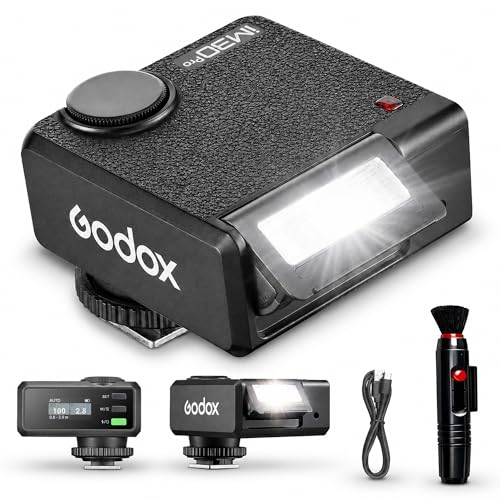
Godox iM30Pro Mini Camera Flash for Sony ZV1, ZV-E10, Ricoh GR3
£39.00 *View On Amazon* -
Camera Flashes
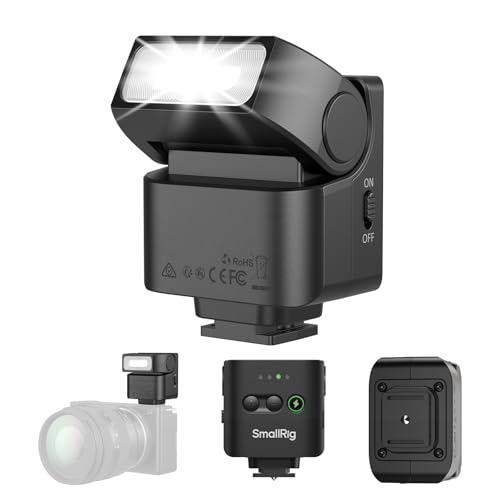
SMALLRIG RS-22 Mini Flash GN8 for Sony, Nikon, Canon and Fuji
£30.90 *View On Amazon* -
Camera Flashes
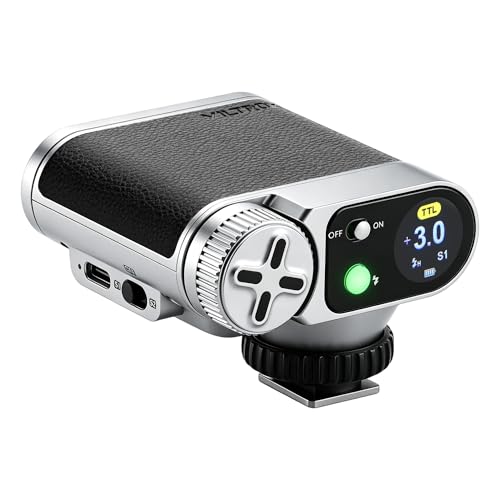
VILTROX TTL Retro Camera Flash for Fujifilm with Touchscreen
Original price was: £56.99.£51.29Current price is: £51.29. *View On Amazon* -
Camera Flashes
Flash Photography for Beginners: A Simple Guide to Using Camera Flash
£5.29 *View On Amazon* -
Camera Flashes
Durlo E-TTL Off-Camera Flash Sync Cord, 1.2 m, Replaces OC-E3
£17.99 *View On Amazon* -
Camera Flashes
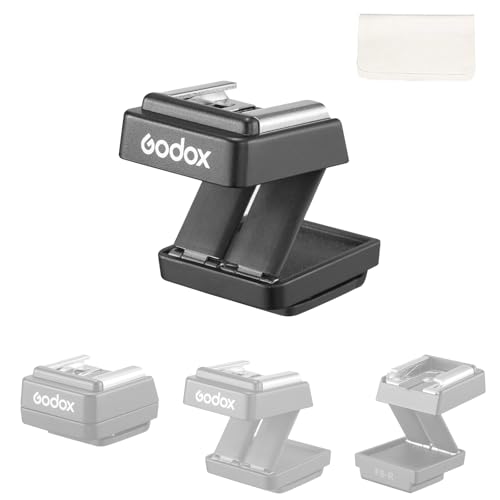
Godox TR-N TTL Hot Shoe Riser Extender for Nikon Flash Triggers
£17.00 *View On Amazon* -
Camera Flashes
Godox iT20S TTL Mini Camera Flash for Sony ZV-Series and Alpha
£40.00 *View On Amazon* -
Camera Flashes
Godox iM20 Mini Camera Flash with White Diffuser and USB-C Charging
£34.00 *View On Amazon* -
Camera Flashes
CAMEDAFLX CF1 Aluminium Mini Camera Flash Camera Flash GN15,7Power Levels Hot Shoe mini Flash for Ricoh GR3/Canon/Nikon/Sony ZV-1/Fuji/Mini Manual Flash for Digital Film Camera/DSLR Cameras(Black).
Original price was: £21.99.£20.99Current price is: £20.99. *View On Amazon* -
Camera Flashes
Godox TT520 III Universal Camera Flash Speedlite GN33 433MHz RX S1/S2
£55.00 *View On Amazon*









What Is A Camera Flash Used For?
A camera flash is used to add a controlled burst of light to a photo. It can help freeze movement, brighten a dark subject, balance strong backlighting or improve detail when the available light is not enough.
Camera flashes are commonly used for portraits, weddings, events, macro photography, product photography, indoor photography and outdoor fill lighting. They can also be used creatively to shape shadows, highlight details or separate the subject from the background.
How To Choose The Right Camera Flash
Start by checking compatibility with your camera. Not every flash works fully with every camera system, so look carefully at fitting, control options and any supported automatic features.
Next, think about how you will use it. For simple everyday use, an easy to control flash with automatic exposure support may be enough. For more creative photography, you may want manual power control, wireless triggering, bounce options, swivel movement and accessories such as diffusers or softboxes.
Power is important, but it is not the only thing that matters. A very powerful flash can be useful for larger spaces or bounced lighting, but a smaller flash may be easier to carry and simpler to use. Recycle time, battery type, head movement, control layout and portability can all affect how practical the flash feels in real use.
On Camera Flash Or Off Camera Flash?
An on camera flash attaches directly to the camera and is usually the easiest place to start. It is useful for events, family photography, casual portraits and situations where you need quick extra light without setting up stands or triggers.
Off camera flash gives you more creative control because the light can be placed away from the camera. This can make portraits, product shots and creative images look more natural or dramatic, but it usually needs extra equipment and more practice.
For beginners, an on camera flash with bounce capability is often the most practical choice. For enthusiasts and creators, off camera flash can open up far more lighting options.
Key Features To Compare
When comparing camera flashes, look at compatibility, flash power, recycle time, head tilt, head swivel, automatic exposure support, manual controls, wireless control, battery type and accessory support.
A flash head that tilts and swivels is useful because it lets you bounce light from ceilings or walls instead of firing it directly at the subject. This can create softer, more flattering light. Manual power settings are useful if you want consistent results across several photos.
Recycle time matters if you take repeated shots. A slow flash may make you wait between photos, while a faster flash can be more useful for events, portraits and moving subjects.
Beginner, Enthusiast Or Creative Lighting Setup?
Beginners should usually look for a flash that is simple to attach, easy to control and compatible with their camera. Automatic exposure features can help reduce guesswork while you learn.
Enthusiasts may want more power, faster recycling, wireless control and better movement in the flash head. Creative photographers may need multiple flashes, triggers, modifiers and stands to shape light more precisely.
The best camera flash is not always the most advanced one. The right choice is the flash that suits your camera, your confidence level and the type of photos you want to take.
Why Buy Camera Flashes From YPC?
At YPC, we have used a lot of outdoor equipment ourselves in real activity settings, so we understand why practical performance matters. Camera accessories need to be useful, reliable and easy to work with, not just impressive on a specification list.
Browse the Camera Flashes range, compare the options and choose the lighting equipment that fits your camera and the way you shoot.
Camera Flashes FAQs
What does a camera flash do?
A camera flash adds a burst of light to help brighten a subject, reduce shadows, improve detail or balance difficult lighting. It is useful when natural light is too weak or coming from the wrong direction.
Do I need an external flash for my camera?
An external flash is useful if your built in flash is too harsh, too weak or too limited. It gives more control over direction, power and lighting style, especially for portraits, events and indoor photography.
What is the difference between on camera and off camera flash?
On camera flash attaches to the camera and is easier to use quickly. Off camera flash is placed away from the camera for more creative lighting control, but it usually needs extra equipment and more practice.
What does bounce flash mean?
Bounce flash means pointing the flash at a ceiling, wall or reflector so the light spreads more softly before reaching the subject. This can create a more natural look than direct flash.
Is a more powerful flash always better?
Not always. A powerful flash can help in larger spaces or with bounced light, but it may be bigger, heavier or more than you need. Portability, control and compatibility can matter just as much.
What should I check before buying a camera flash?
Check camera compatibility, power, recycle time, head movement, control options, battery type and whether it supports the way you want to shoot. Compatibility is especially important.
Are camera flashes good for outdoor photography?
Yes, camera flashes can be useful outdoors as fill light. They can help brighten faces, reduce shadows and balance strong sunlight, especially for portraits and close subjects.
Camera Flashes Buyers Guide
Learn how different types of camera flashes work, how they vary in design and control, and what factors matter when comparing options for different photography situations.
 Getting ready for Summer? View our Home and Garden Products

Heading outdoors this winter? Take a look at our Outdoor Clothing.