
Tunnel Tents
Tunnel tents are camping shelters with a long, curved structure created by a series of arched poles. Whether you’re planning a UK campsite holiday, a family camping trip, a weekend break or a longer outdoor stay, a tunnel tent can give you practical sleeping space, useful storage and a more comfortable living area than many smaller tent styles.
Our tunnel tents range is designed for campers who want a good balance of space, comfort and campsite practicality. From compact tunnel tents for couples to larger family tunnel tents with bedrooms, porches and living areas, you can choose an option that suits your group size, vehicle space and camping plans.
- Tunnel Tents
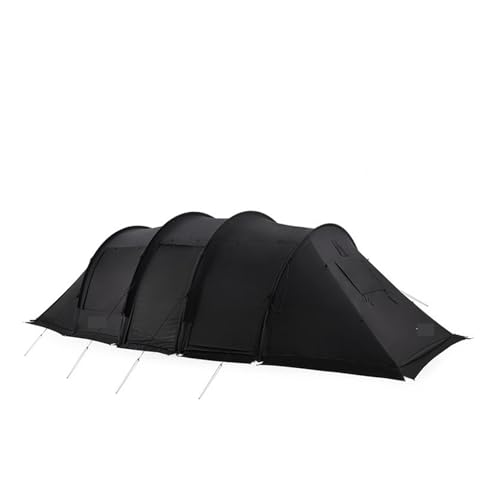
DUOCAI Four Pole Tunnel Camping Tent, Multi Person, Two Room One Hall
£4,922.60 *View On Amazon* - Tunnel Tents
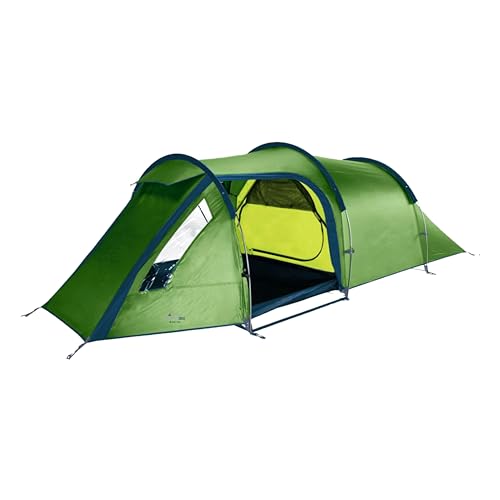
OEX Jackal III V3 3 Man Technical Tent with Porch Area, Mid Green
£99.00 *View On Amazon* - Tunnel Tents
Vango Talas 300 Tunnel Tent Easy To Pitch 3 Man Tent Treetops Green
£64.91 *View On Amazon* - Tunnel Tents
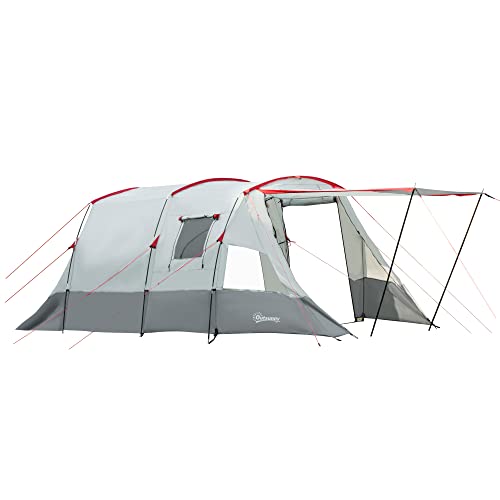
Outsunny 3 x 3 x 2 m Polytunnel Greenhouse with Roll up Side Walls, Walk in Grow House Tent with Steel Frame, Reinforced Cover, Zipped Door and 6 Mesh Windows for Garden, White
Original price was: £85.99.£76.94Current price is: £76.94. *View On Amazon*







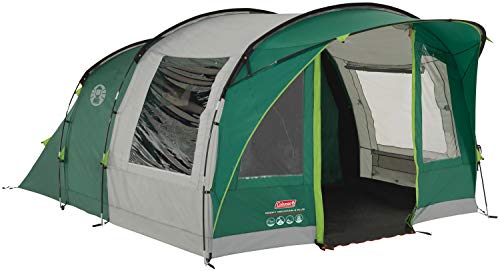
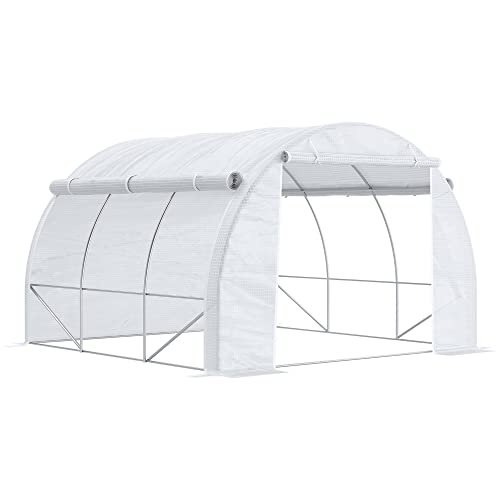


A Practical Tent Shape for Campsite Comfort
Tunnel tents are popular because they make good use of internal space. The arched pole structure creates length, headroom and a layout that can work well for sleeping, storage and day-to-day camp life.
For families, a tunnel tent can provide separate bedroom areas and a central living space where you can sit, change clothes, store bags or shelter from wet weather. For couples or smaller groups, a compact tunnel tent can offer more usable space than a basic sleeping-only tent.
For UK camping, where rain, damp ground and breezy evenings are common, the extra covered space can make a big difference to comfort.
How to Choose a Tunnel Tent
Start by thinking about how many people will sleep in the tent and how much room you need for bags, bedding and movement. Tent capacity usually refers to sleeping space, so sizing up can make the tent feel much more comfortable.
Key decision factors include sleeping capacity, number of bedrooms, living space, headroom, packed size, weight, water resistance, ventilation, groundsheet style, porch space, pitching time, guy line layout and how well the tent fits your usual campsite pitch.
If you’re camping for one or two nights, a smaller tunnel tent may be enough. If you’re staying for a week or camping with children, extra standing room, storage space and a practical living area are worth prioritising.
Tunnel Tents vs Dome Tents
Tunnel tents usually offer more length and usable living space than dome tents of a similar sleeping capacity. This makes them a strong choice for family camping, longer campsite stays and campers who want space to store kit away from the sleeping area.
Dome tents are often more compact and can be simpler for short breaks, festivals and smaller pitches. They may also feel easier to manage if you only need basic sleeping space.
The trade-off is space versus simplicity. A tunnel tent is usually better for comfort and organisation, while a dome tent may be easier for quick, casual trips.
Small Tunnel Tents vs Family Tunnel Tents
Small tunnel tents are useful for couples, solo campers who want extra room, short breaks and weekend camping. They can offer a porch or storage area without being as bulky as a large family tent.
Family tunnel tents are designed for more people and more kit. They often include multiple bedrooms, a larger living space and enough height for easier movement inside. They are better for longer holidays, but they usually need more room in the car and more space on the pitch.
The right choice depends on how you camp. If you travel light, keep the tent compact. If comfort matters and you camp beside the car, a larger tunnel tent can make the trip much easier.
Bedroom Layouts and Living Space
One of the main reasons campers choose tunnel tents is the layout. Many designs use separate sleeping compartments with a central or front living area, giving you a more organised setup.
Separate bedrooms can be useful for families, children, couples camping with friends or anyone who wants privacy. A living area gives you somewhere to sit in bad weather, store boots, keep bags dry and organise daily essentials.
Before buying, check the floor plan carefully. Think about where people will sleep, where bags will go, whether you can stand or sit comfortably, and how easy it will be to get in and out at night.
Useful Features to Look For
A good tunnel tent should be easy to live in as well as easy to pitch. Look for practical entrances, strong pegging points, good ventilation, storage pockets, lantern hanging points and a groundsheet design that suits your camping style.
Porch space is especially useful in UK conditions. It gives you somewhere to keep muddy boots, wet coats, bags and cooking equipment when not in use.
Ventilation is important too. Larger tents can build up condensation when several people are sleeping inside, so vents, mesh panels and adjustable doors can help airflow and comfort.
Tunnel Tents for UK Weather
UK weather can be unpredictable, so weather protection should be one of your main buying checks. Look at the tent’s water resistance, seams, flysheet design, groundsheet coverage, pole structure and guy line setup before choosing.
Tunnel tents rely on correct pitching and good tension. If the tent is not pegged and tensioned properly, it may sag, flap or feel less stable in wind. Taking time to pitch it properly makes a big difference.
For windy campsites, consider the direction of the tent and use all recommended guy lines. For wet trips, keep bedding away from tent walls and use the porch or living area for damp gear where possible.
Packed Size, Weight and Pitch Size
Tunnel tents can offer excellent space once pitched, but larger models can be bulky when packed. Before buying, check the packed dimensions and weight to make sure the tent fits in your vehicle alongside sleeping bags, mats, cooking gear, clothing and furniture.
Pitch size matters too. Tunnel tents often need room for their full length plus guy lines, so check campsite pitch limits if you usually book smaller pitches.
A bigger tent is more comfortable only if you can transport it, pitch it and store it properly. Balance internal space with practical packing and setup.
Pitching and Caring for a Tunnel Tent
Tunnel tents usually need to be pegged and tensioned carefully to create their shape. Practising at home before your first trip can help you understand the poles, sleeves, inner bedrooms and guy line layout.
Choose level ground where possible and avoid areas where water may collect. Peg the tent securely, tension it evenly and keep the fabric clear of sharp objects.
After your trip, dry the tent fully before storing it. Packing away a damp tent can lead to smells, mildew and fabric problems, especially with larger tents that hold more moisture in the fabric and seams.
Using Tunnel Tents Safely
Keep stoves, BBQs, heaters, fire pits and fuel-burning equipment away from tunnel tents unless the product guidance specifically says the tent and equipment are designed for that use. Fire and carbon monoxide risks are serious in enclosed spaces.
Keep entrances clear, make guy lines visible where possible and store pegs, poles, mallets and sharp tools safely. If children are camping with you, make sure they understand where the guy lines and entrances are.
A tunnel tent should give you a comfortable campsite base, but it still needs correct pitching, safe use and sensible care.
Shop Tunnel Tents Online
Browse our tunnel tents range to find practical shelter for UK campsites, family holidays, weekend breaks and longer outdoor stays. Compare sizes, layouts, bedrooms, living areas, packed dimensions and weather features to choose a tunnel tent that suits the way you camp.
Tunnel Tents FAQs
What is a tunnel tent?
A tunnel tent is a tent with a long, curved structure created by arched poles. This shape often gives good internal space, making it useful for family camping, campsite holidays and longer stays.
Are tunnel tents good for camping?
Yes, tunnel tents can be very good for camping because they often provide more usable space than smaller tent styles. They are especially useful for families, groups and campers who want a living area.
Are tunnel tents good for UK campsites?
Tunnel tents are well suited to UK campsites when chosen carefully. Look for good water resistance, strong guy lines, practical ventilation and a groundsheet design suited to damp conditions.
What size tunnel tent should I buy?
Choose a size based on the number of sleepers and how much storage or living space you want. If comfort matters, consider choosing a tent with more capacity than the exact number of people sleeping in it.
Are tunnel tents better than dome tents?
Tunnel tents usually offer more living space and length, while dome tents are often more compact and simple. Choose a tunnel tent for comfort and storage, or a dome tent for shorter trips and smaller pitches.
Are tunnel tents easy to pitch?
Many tunnel tents are straightforward once you understand the pole layout, but larger models can take longer than small tents. Practising at home can make campsite setup much easier.
Do tunnel tents need guy lines?
Yes, tunnel tents usually rely on proper pegging and guy lines for stability. Using the supplied guy lines correctly helps the tent hold its shape and perform better in wind.
Are tunnel tents waterproof?
Water protection varies by product. Check the flysheet, seams, groundsheet and water resistance guidance before buying, especially if you expect rain during UK camping trips.
Do tunnel tents get condensation?
Yes, condensation can happen in any tent, especially in cool or damp conditions. Good ventilation, careful pitching and keeping wet gear away from sleeping areas can help reduce it.
Are tunnel tents suitable for families?
Yes, tunnel tents are often a strong choice for families because they can offer separate bedrooms, standing space and a useful living area for bags, shoes, games and wet-weather shelter.
Can I cook inside a tunnel tent?
You should not cook inside a tunnel tent unless the tent and equipment are specifically designed for that purpose and the instructions say it is safe. Fire and carbon monoxide risks are serious in enclosed spaces.
How should I store a tunnel tent?
Dry the tent fully, clean off mud or grass, pack it according to the product instructions and store it in a dry place away from damp, sharp objects and direct heat.
 Getting ready for Summer? View our Home and Garden Products

Heading outdoors this winter? Take a look at our Outdoor Clothing.