
Suspension Trainers
Suspension trainers are adjustable strap systems used for bodyweight exercises, strength training, core work, mobility and full body workouts. This category is ideal if you want compact fitness equipment for home training, functional workouts, travel fitness, calisthenics, rehabilitation style movement or gym accessory work.
The right suspension trainer depends on where you plan to anchor it, your strength level and the exercises you want to perform. A good suspension trainer should feel secure, adjust easily and allow you to change exercise difficulty by altering your body angle.
- Suspension Trainers
RHINOSPORT Sling Trainer – Full Body Training, Strength & Home Workout, Bodyweight Resistance Fitness Home Gym Equipment – Indoor/Outdoor (Yellow)
Original price was: £37.73.£27.26Current price is: £27.26. *View On Amazon* - Suspension Trainers
3Pcs Resistance Band Wall Anchor, Wall Mount Anchor Heavy Duty Battle Rope Anchor Strap, Suspension Trainer Anchor Space Saving Wall Anchor Point For Strength Training, Yoga And Physical Therapy
Original price was: £15.38.£12.30Current price is: £12.30. *View On Amazon*


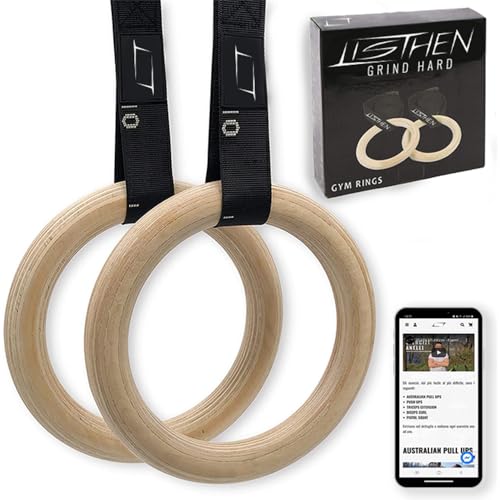


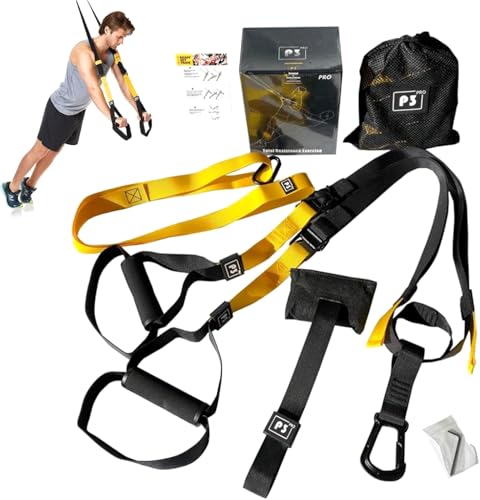


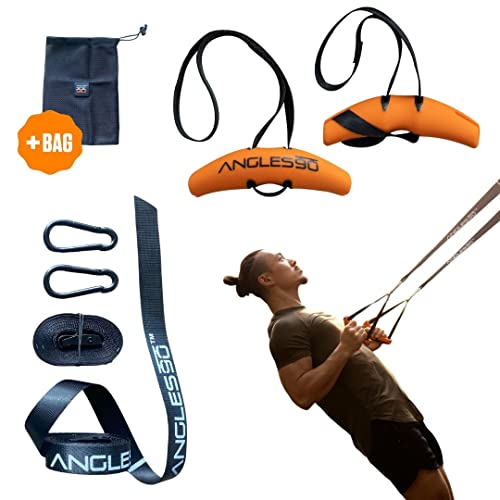
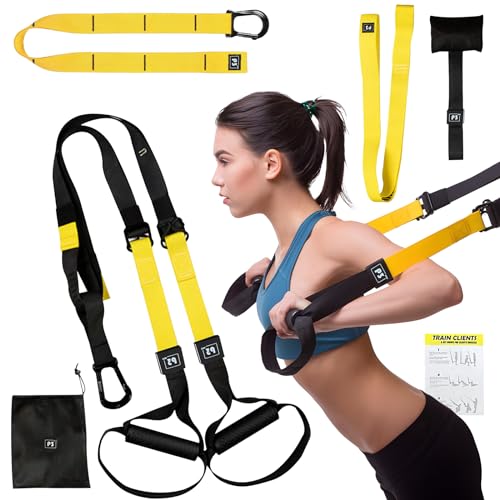


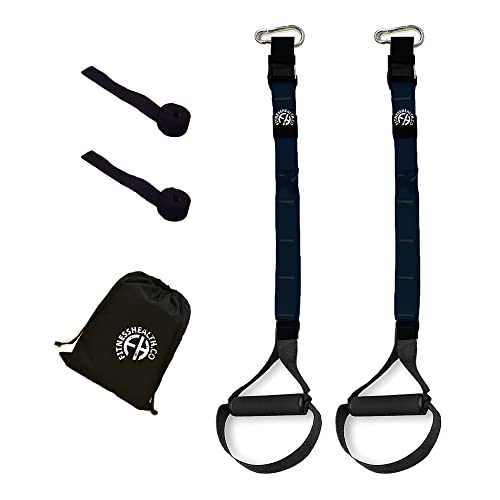


What Is A Suspension Trainer?
A suspension trainer is a set of straps with handles or foot cradles that attach to a secure anchor point. You use your own bodyweight as resistance while performing movements such as rows, presses, squats, lunges, planks and core exercises.
Suspension trainers are popular because they are lightweight, portable and versatile. They can be used at home, in a garage gym, outdoors, in a hotel room or as part of a wider functional training setup.
How To Choose The Right Suspension Trainer
Start with where you will use it. Some suspension trainers include a door anchor for home use, while others are designed to attach to pull up bars, beams, racks or outdoor frames. The anchor point must be strong, secure and suitable for bodyweight training.
Adjustability is one of the most important buying factors. The straps should lengthen and shorten smoothly so you can switch between exercises and set the right angle for your strength level.
Handle comfort also matters. Handles should feel secure in the hands, and foot cradles should be comfortable enough for core exercises, hamstring work and suspended movements.
Door Anchor Or Fixed Anchor Setup?
A door anchor setup is usually the most convenient option for home users. It can be useful if you want compact equipment that can be set up and packed away quickly. The door must be suitable, closed securely and used exactly as the product instructions explain.
A fixed anchor setup may feel more secure for regular training. This could involve a wall mount, ceiling mount, pull up bar, power rack or strong outdoor frame. The trade off is that it may need installation or a more permanent training space.
For occasional home workouts, a door anchor may be enough. For regular or harder training, a stronger fixed setup may be more practical.
Suspension Trainer Or Gymnastic Rings?
A suspension trainer is usually better for general fitness users because it is adjustable, easy to use and suitable for many beginner to intermediate exercises. It can support rows, presses, lunges, squats, planks and assisted movements.
Gymnastic rings are usually more demanding and better suited to calisthenics strength, dips, pull ups, support holds and advanced bodyweight skills. Rings move independently and require more control.
The trade off is difficulty. Suspension trainers are usually more approachable. Rings are more skill based and challenging.
Key Features To Compare
When comparing suspension trainers, look at strap strength, buckle quality, handle comfort, foot cradle design, anchor options, strap length, adjustment range, maximum user weight, portability, storage bag and exercise guide support.
Strap markings can make it easier to set both sides evenly. Strong buckles are important because they hold the strap length during training. A storage bag is useful if you travel or train in different locations.
Maximum user weight should be checked carefully. The trainer, anchor and mounting point all need to support your bodyweight safely during movement.
Best For Strength, Core Or Mobility?
For strength training, suspension trainers can support rows, chest presses, squats, lunges, hamstring curls, biceps curls and triceps extensions. Changing your body angle changes the difficulty.
For core training, they can be used for planks, mountain climbers, knee tucks and suspended movements. These exercises can be demanding, so beginners should start carefully.
For mobility and control, suspension trainers can support assisted squats, stretches, balance work and controlled range of movement exercises.
Beginner, Home Gym User Or Regular Trainer?
Beginners should start with simple exercises and a stable body position. Assisted squats, rows and incline presses are usually easier starting points than suspended core work.
Home gym users may appreciate suspension trainers because they take up little space and can add many exercises without large machines or heavy weights.
Regular trainers may use them for warm ups, accessory work, core sessions, travel workouts and functional training circuits. They are especially useful when you want variety without much storage space.
Using Suspension Trainers Safely
Always check the anchor point, straps, buckles and handles before training. Do not use a weak door, damaged frame, unstable rack or unsuitable fixing point.
Start with a manageable body angle. The closer your body is to horizontal, the harder many exercises become. Build difficulty gradually rather than jumping straight into advanced movements.
Keep movements controlled and avoid bouncing, jerking or swinging unless the exercise and equipment are specifically designed for it. If you feel sharp pain, dizziness, joint discomfort or unusual symptoms, stop and seek suitable advice if needed.
Useful Accessories To Consider
Useful accessories can include door anchors, wall mounts, pull up bars, exercise mats, resistance bands, gymnastic rings, foam rollers, gym towels, water bottles and storage bags.
An exercise mat can make floor based movements more comfortable. Resistance bands can help with warm ups and mobility work. A secure wall or ceiling mount may be useful if you want a more permanent setup.
Choose accessories that match your exact suspension trainer and training space.
Why Buy Suspension Trainers From YPC?
At YPC, we understand active lifestyles and the need for practical fitness equipment that fits real routines. Suspension trainers should be secure, adjustable and suitable for the way you actually train.
Browse the Suspension Trainers range, compare the options and choose the strap training system that fits your strength level, workout space and fitness goals.
Suspension Trainers FAQs
What is a suspension trainer used for?
A suspension trainer is used for bodyweight strength exercises, core training, mobility work, functional fitness, home workouts and travel friendly training.
Are suspension trainers good for beginners?
Yes, suspension trainers can suit beginners because exercise difficulty can often be adjusted by changing body angle. Start with simple movements and progress gradually.
What exercises can I do with a suspension trainer?
You can do rows, chest presses, squats, lunges, hamstring curls, planks, knee tucks, biceps curls, triceps extensions and assisted mobility exercises.
Can suspension trainers build muscle?
Suspension trainers can support muscle strengthening when exercises are challenging enough and progressed over time. Technique, consistency, recovery and nutrition all matter.
Are suspension trainers safe for home use?
They can be safe when anchored correctly and used according to the product instructions. The anchor point, straps and user technique are all important.
Can I use a suspension trainer on a door?
Some suspension trainers include a door anchor, but the door must be suitable, secure and used exactly as instructed. Do not use weak, damaged or unsuitable doors.
What is the difference between suspension trainers and gymnastic rings?
Suspension trainers are usually more adjustable and beginner friendly for general fitness. Gymnastic rings are more demanding and often used for calisthenics strength skills.
Are suspension trainers good for core workouts?
Yes, suspension trainers can be useful for core exercises such as planks, knee tucks and mountain climbers. These movements can be demanding, so start carefully.
What should I look for when buying a suspension trainer?
Look at strap strength, buckle quality, handle comfort, foot cradles, anchor options, adjustment range, maximum user weight, portability and storage.
Can I travel with a suspension trainer?
Yes, many suspension trainers are lightweight and portable, making them useful for travel workouts if you have a safe and suitable anchor point.
Do suspension trainers damage doors?
They can mark or damage unsuitable doors or frames if used incorrectly. Always follow the product guidance and check the door before training.
Is a suspension trainer better than resistance bands?
They do different jobs. A suspension trainer uses bodyweight and body angle, while resistance bands use elastic tension. Many workouts can benefit from both.
Can suspension trainers be used outdoors?
Yes, they can be used outdoors if attached to a strong, stable and suitable anchor point. Check the straps, surface and surroundings before use.
How do I make suspension trainer exercises harder?
Change your body angle, slow the movement, increase range of motion or choose a harder exercise variation. Progress gradually and keep control throughout.
How do I care for a suspension trainer?
Wipe it clean after use, let straps dry fully, check stitching and buckles regularly, store it properly and stop using it if any part looks worn, frayed or damaged.
 Getting ready for Summer? View our Home and Garden Products

Heading outdoors this winter? Take a look at our Outdoor Clothing.