
Dehumidifiers
Dehumidifiers are home appliances designed to remove excess moisture from the air. They are ideal for homes with condensation, damp feeling rooms, drying laundry indoors, musty smells or spaces where humidity regularly feels too high.
A good dehumidifier can make a room feel fresher and more comfortable by helping to manage moisture levels. The right choice depends on room size, extraction capacity, tank size, noise level, energy use, drainage options, portability and whether you need it for everyday use or occasional problem areas.
- Dehumidifiers
Mini Dehumidifier with 1100ml Water Tank and Drain Hose
Original price was: £29.99.£25.99Current price is: £25.99. *View On Amazon* - Dehumidifiers
Dehumidifier for Home Damp 1600ML with 4 Timer Modes, Auto Off and Auto Defrost, 7 RGB Lights, Ultra Quiet Electric Small Dehumidifier for Bedroom, Bathroom, Caravan, RV, Room
Original price was: £72.99.£57.99Current price is: £57.99. *View On Amazon* - Dehumidifiers
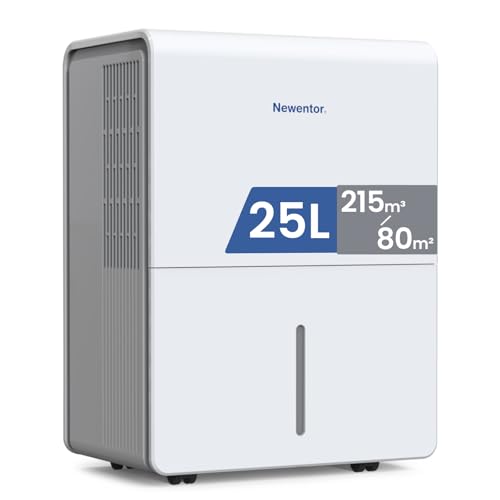
Newentor Dehumidifier 25L for Home with Drain Hose and 10YR WRNTY. for 215m³/80m²
Original price was: £229.99.£179.99Current price is: £179.99. *View On Amazon*


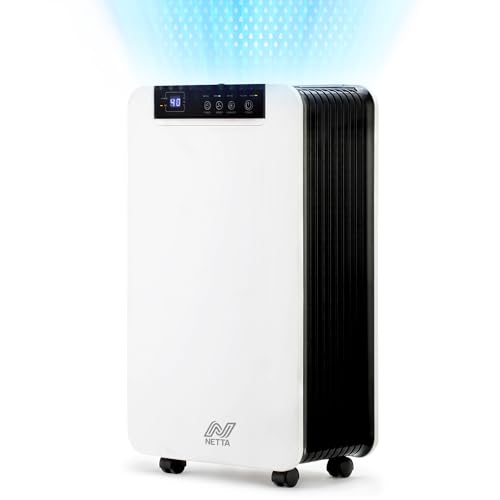


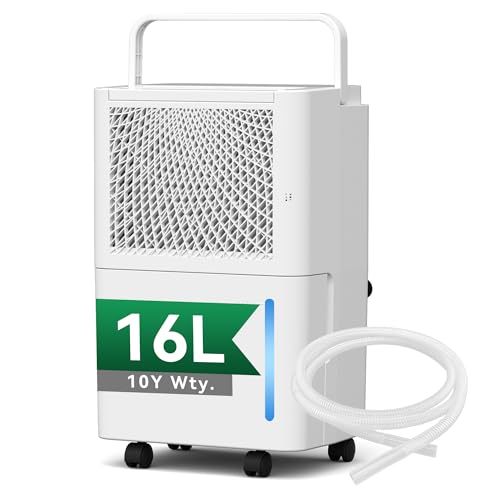
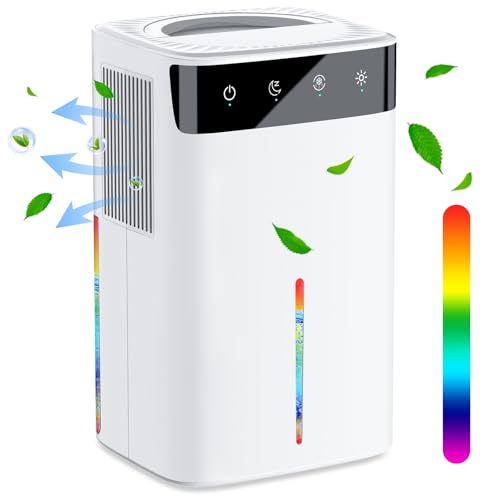


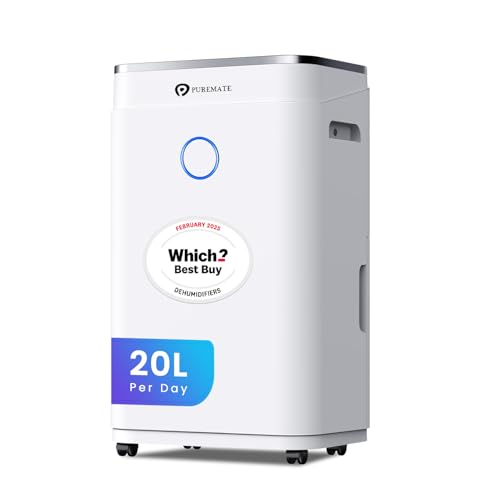





How to Choose the Right Dehumidifier
Start by thinking about where the dehumidifier will be used most often. A small bedroom, bathroom, utility room or cupboard may only need a compact model, while a larger living space, basement, conservatory or whole floor may need a higher capacity dehumidifier.
Room size guidance is important. A dehumidifier that is too small may run for longer without making much difference, while a unit that is larger than needed may take up more space and cost more to buy. Match the appliance to the size and moisture level of the space rather than choosing purely on appearance.
What Matters Most When Comparing Dehumidifiers
The main things to compare are moisture extraction rate, water tank capacity, noise level, running cost, humidity control, auto shut off, continuous drainage, filter access, size and weight.
Extraction rate tells you how much moisture the dehumidifier can remove under certain conditions. Tank capacity affects how often you need to empty it. If you plan to use the appliance in a bedroom or home office, noise level should be a major part of the decision.
Compressor or Desiccant Dehumidifier?
A compressor dehumidifier is often used in normal indoor temperatures and can be practical for living rooms, bedrooms, hallways and general household use. It works well when the room is not too cold.
A desiccant dehumidifier can be more suitable for cooler spaces such as garages, utility rooms, conservatories or colder parts of the home, depending on the product. It may also be lighter and quieter in some designs.
The trade off is operating environment and running style. Compressor models are common for everyday home use, while desiccant models may be better where the room is cooler or where consistent moisture control is needed in lower temperatures.
Dehumidifier or Air Purifier?
A dehumidifier removes moisture from the air. It is the right type of appliance if the main problem is condensation, damp feeling rooms, wet windows, slow laundry drying or high humidity.
An air purifier is designed to filter airborne particles, dust, pollen or odours depending on the filter system. It does not usually remove moisture from the air in the same way.
The trade off is purpose. Choose a dehumidifier for moisture control. Choose an air purifier for air filtration. Some homes may benefit from both, but they solve different problems.
Laundry Drying, Bathrooms and Condensation
Dehumidifiers can be useful in homes where laundry is often dried indoors. By removing moisture from the air, they can help clothes dry more comfortably and reduce the damp feeling that can build up in a room.
Bathrooms, kitchens and bedrooms are common areas for condensation because warm moist air can meet colder surfaces. A dehumidifier may help manage this, but ventilation still matters. Open vents where suitable, use extractor fans where fitted and avoid blocking airflow around the appliance.
Tank Size, Drainage and Everyday Use
A larger water tank means you can usually run the dehumidifier for longer before emptying it. This can be useful for regular use or rooms with higher moisture levels. A smaller tank can make the appliance lighter and easier to move, but it may need emptying more often.
Continuous drainage can be useful if the dehumidifier will be used for long periods in one place. Some models allow a hose to drain water away automatically, depending on the product. Always check whether a drain hose is included or needs to be bought separately.
Noise, Energy Use and Comfort Features
Noise level matters if the dehumidifier will be used while sleeping, working or watching television. A quieter model or night mode can be useful in bedrooms, nurseries and home offices.
Energy use is worth checking, especially if the unit will run regularly. Features such as a humidistat, timer, auto shut off and adjustable settings can help the appliance run only when needed rather than constantly.
Portability can also make a difference. Wheels, handles and a manageable weight are useful if you want to move the dehumidifier between rooms.
Cleaning, Filters and Maintenance
A dehumidifier should be easy to empty, wipe and maintain. Water tanks need regular emptying and cleaning, while filters may need washing or replacing depending on the design.
Keeping the air intake, outlet and filter area clean helps the appliance work properly. Always follow the individual product guidance for cleaning, storage and safe use, especially if the dehumidifier is used often.
Find a Dehumidifier That Suits Your Home
Browse our range of dehumidifiers and compare options by room size, extraction rate, tank capacity, noise level, drainage options and everyday features. Choose a dehumidifier that suits your space, helps manage excess moisture and makes your home feel more comfortable.
Dehumidifiers FAQs
What is a dehumidifier used for?
A dehumidifier is used to remove excess moisture from the air. It can help with condensation, damp feeling rooms, indoor laundry drying and managing high humidity in the home.
What should I check before buying a dehumidifier?
Check the room size guidance, extraction rate, tank capacity, noise level, energy use, drainage options, size, weight, filter access and whether the model suits the space where it will be used.
What size dehumidifier do I need?
The right size depends on the room size and how much moisture is present. Smaller models can suit compact rooms, while larger or higher capacity models are better for bigger or damper spaces.
Are dehumidifiers good for drying clothes indoors?
Dehumidifiers can be useful when drying clothes indoors because they help remove moisture from the air. Some models include laundry modes, but suitability varies by product.
Do dehumidifiers help with condensation on windows?
A dehumidifier can help reduce moisture levels that contribute to condensation, but ventilation, heating balance and airflow also matter. Persistent condensation may need more than one solution.
What is the difference between a compressor and desiccant dehumidifier?
A compressor dehumidifier is commonly used in normal indoor temperatures. A desiccant dehumidifier may be more suitable for cooler spaces, depending on the product and room conditions.
Do dehumidifiers use a lot of electricity?
Electricity use varies by model, setting, room conditions and how long the appliance runs. Check the product details and energy information before buying if running cost is important.
Can I leave a dehumidifier on overnight?
Some dehumidifiers are designed for extended use and include features such as auto shut off or humidistat control. Always follow the product guidance and make sure the appliance is positioned safely.
Do dehumidifiers need emptying?
Most dehumidifiers collect water in a tank that needs emptying. Some models also offer continuous drainage through a hose, depending on the design.
Are dehumidifiers noisy?
Noise levels vary by model. If the dehumidifier will be used in a bedroom, office or quiet living space, check the noise rating and look for suitable quiet modes.
Where should I put a dehumidifier?
Place a dehumidifier on a stable surface with space around the air intake and outlet. Use it in the room where moisture is a problem and follow the product guidance for safe positioning.
Do dehumidifiers need maintenance?
Yes, dehumidifiers need basic maintenance such as emptying the tank, cleaning the filter, wiping the appliance and keeping vents clear. Always follow the product instructions for care and storage.
Find out more with out Dehumidifiers Buyers Guide.
 Getting ready for Summer? View our Home and Garden Products

Heading outdoors this winter? Take a look at our Outdoor Clothing.