
Ovens
Ovens are kitchen appliances designed for baking, roasting, grilling, heating and cooking a wide range of meals at home. They are ideal for anyone who wants a reliable way to prepare family dinners, tray bakes, cakes, bread, roasted vegetables, pizzas, casseroles and everyday cooked food.
A good oven should suit the way you actually cook. The right choice depends on available kitchen space, oven type, capacity, fuel source, cooking functions, cleaning features, energy use, controls and whether you need a single oven, double oven, built in model or freestanding cooker.
- Ovens
Hisense HDUKC60W 60cm Electric Cooker with Ceramic Hob-White, A Rated Double Oven 50L/80L [Energy Class A]
Original price was: £449.00.£379.00Current price is: £379.00. *View On Amazon* - Ovens
Ninja Foodi 10-in-1 Multifunction Oven, Fast Mini Oven, Countertop Oven, 10 Cooking Functions, Air Fry, Pizza, Grill, Roast, Bake, Toast, Bagel & more, Make Family-Size Meals, Silver/Black DT200UK
Original price was: £269.99.£250.00Current price is: £250.00. *View On Amazon* - Ovens
HYSapientia Air Fryer Oven 24L with Rotisserie,Mini Oven Countertop Convection Large Capacity 8 in 1 Digital Screen 1800W electric and grill, Oil Free Cooking,Stainless steel inner,360° Even Heating
Original price was: £169.99.£139.28Current price is: £139.28. *View On Amazon* - Ovens
AEG 6000 Series SurroundCook Built In Oven, BSX23101XM, 65L, Aqua Clean, LED Display, Multilevel Cooking, Stainless Steel, Anti-fingerprint, Grill,Defrost, Moist Fan Baking, A
Original price was: £299.00.£269.00Current price is: £269.00. *View On Amazon* - Ovens
Hisense BID95211BGUK Built In Electric Double Oven – Stainless Steel – A/A Rated, Extra Large
Original price was: £369.00.£299.00Current price is: £299.00. *View On Amazon* - Ovens
COMFEE' 60L, 60cm Wide, Single Electric Built-in Fan Oven, 8 Function with Air Fry, Multiphase Cooking and Easy Cleaning Removable Door, Color Black – CBO60M80M1-BK
Original price was: £184.99.£156.98Current price is: £156.98. *View On Amazon* - Ovens
Beko AeroPerfect™ RecycledNet® BBRIF22300X Built In Electric Single Oven – Stainless Steel – A Rated
Original price was: £229.00.£219.00Current price is: £219.00. *View On Amazon* - Ovens
Belaco Mini 9L Toaster Oven Tabletop Cooking Baking Portable Oven 650w 100-250° Stainless steel heating tube incl. baking tray & wire rack
Original price was: £33.99.£22.99Current price is: £22.99. *View On Amazon*
![Hisense HDUKC60W 60cm Electric Cooker with Ceramic Hob-White, A Rated Double Oven 50L/80L [Energy Class A]](https://m.media-amazon.com/images/I/41jqlxQdMAL._SL500_.jpg)


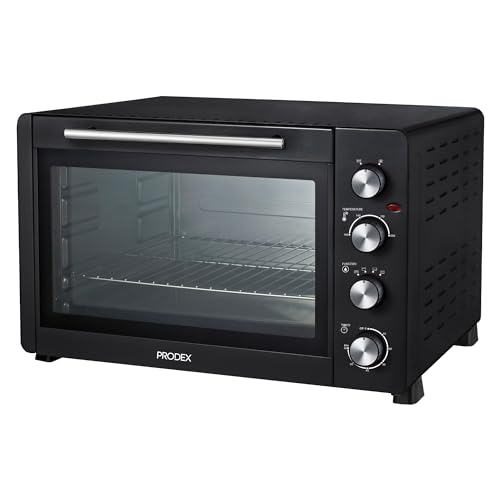

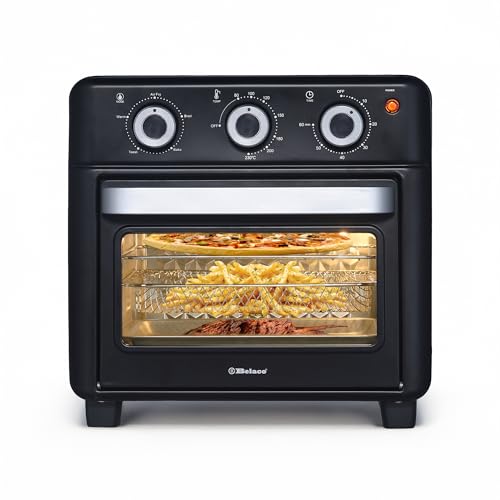


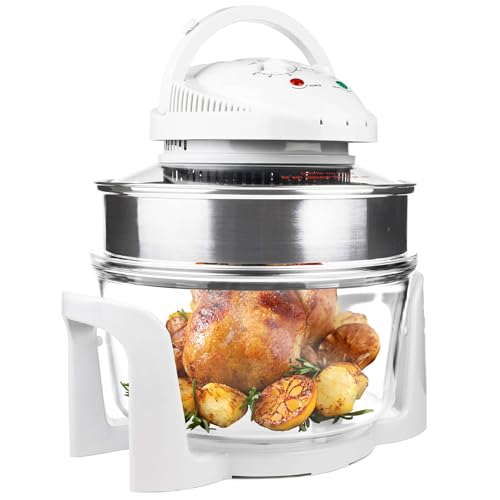
![Hobsir hob 60cm Built-In Electric Oven with 60L Capacity & 6 Functions | 250℃ High-Temperature Cooking, 120-Minute Timer | Perfect for Baking, Roasting, and Family Kitchens [Energy Class A]](https://m.media-amazon.com/images/I/418blXYHN0L._SL500_.jpg)


How to Choose the Right Oven
Start by thinking about the space in your kitchen and how much cooking capacity you need. A single oven can work well for smaller households and everyday meals, while a double oven gives more flexibility if you often cook several dishes at different temperatures.
Also consider how often you bake, roast or cook for guests. If you cook large meals regularly, capacity and shelf layout matter. If you mainly use the oven for simple dinners and reheating, clear controls, easy cleaning and reliable everyday performance may be more important than extra cooking modes.
What Matters Most When Comparing Ovens
The main things to compare are oven size, internal capacity, fuel type, cooking functions, temperature range, shelf positions, grill function, cleaning method, door design, controls and energy rating.
Capacity is especially important. A larger oven cavity gives more room for trays, roasting dishes and family meals, but it also needs to fit your kitchen layout. Shelf positions can make a big difference too, especially if you cook several trays or need space for taller dishes.
Single Oven or Double Oven?
A single oven is usually the simplest choice for everyday cooking. It can suit smaller kitchens, couples, compact homes and households that do not often cook several dishes at once.
A double oven gives more cooking flexibility because you can use separate compartments for different foods, temperatures or cooking styles. This can be useful for Sunday dinners, Christmas meals, batch cooking and family cooking.
The trade off is space and need. A single oven is simpler and often enough for many homes, while a double oven is more practical if you regularly cook larger or more varied meals.
Electric Oven or Gas Oven?
An electric oven is a common choice for modern kitchens and can offer even cooking, fan assisted settings and useful temperature control depending on the model. It is often chosen for baking, roasting and general home cooking.
A gas oven gives a different cooking feel and may suit people who prefer gas appliances or already have a suitable gas kitchen setup. Gas installation and suitability should always be checked carefully before buying.
The trade off is cooking style, setup and preference. Electric ovens are widely used and practical for many homes, while gas ovens may suit kitchens already designed for gas cooking.
Built In Oven or Freestanding Cooker?
A built in oven is designed to fit into a kitchen unit for a neat fitted look. It can be installed at eye level or under a worktop depending on the design and kitchen layout.
A freestanding cooker usually combines an oven with a hob in one appliance. It can be practical if you want cooking functions in a single unit rather than separate built in appliances.
The trade off is kitchen design. Built in ovens give a more integrated look, while freestanding cookers can be simpler if you want the oven and hob together.
Fan Oven, Conventional Oven and Grill Functions
A fan oven uses a fan to circulate heat around the cavity, which can help cook food more evenly depending on the appliance. It is useful for baking, roasting and cooking several items at once.
A conventional oven uses heat from fixed elements or burners and may suit more traditional cooking styles. Some ovens include both fan and conventional settings, giving more flexibility.
A grill function is useful for browning, crisping, finishing dishes, making toast style foods and cooking smaller items quickly. If grilling matters to you, check the grill size, position and controls before buying.
Cleaning Features and Everyday Maintenance
Ovens can be one of the harder kitchen appliances to clean, so cleaning features are worth comparing. Some ovens have easy clean enamel, catalytic liners, steam cleaning support or pyrolytic cleaning depending on the model.
Pyrolytic cleaning uses very high heat to break down food residue, while catalytic liners help absorb grease during normal cooking. Steam cleaning features can help loosen dirt for wiping. Always check the individual product details so you know what cleaning method is included and what care is needed.
Controls, Timers and Practical Features
Clear controls make an oven easier to use every day. Dials can be simple and familiar, while digital controls may offer more precise timers, programmes or temperature settings depending on the model.
A timer can be useful for regular cooking, especially if you bake or roast often. Other practical features may include interior lights, removable doors, telescopic shelves, child locks, soft close doors or programmable cooking functions depending on the oven.
Size, Installation and Kitchen Fit
Before buying an oven, measure the available space carefully. Check the appliance dimensions, required ventilation, door opening space and whether the oven is designed for built in or freestanding installation.
Installation requirements matter. Electric ovens may need a suitable electrical connection, while gas ovens need safe gas installation by a qualified professional. Always check the product details and installation guidance before buying.
Find an Oven That Suits Your Kitchen
Browse our range of ovens and compare options by size, capacity, fuel type, cooking functions, cleaning features and installation style. Choose an oven that fits your kitchen, suits your cooking routine and helps make everyday meals easier to prepare.
Ovens FAQs
What is an oven used for?
An oven is used for baking, roasting, grilling, heating and cooking food. It can be used for meals such as roast dinners, tray bakes, cakes, bread, casseroles, pizzas and everyday family cooking.
What should I check before buying an oven?
Check the oven size, capacity, fuel type, cooking functions, shelf positions, cleaning features, controls, energy rating, installation requirements and whether it fits your kitchen space.
Is a single oven enough for a family?
A single oven can be enough for many families if the capacity suits the meals you cook. A double oven may be better if you often cook several dishes at different temperatures.
Is a fan oven better than a conventional oven?
A fan oven can be useful for more even heat circulation and cooking several items at once. A conventional oven may suit more traditional cooking styles. The better choice depends on how you cook.
What is the difference between a built in oven and a freestanding cooker?
A built in oven fits into a kitchen unit and is usually separate from the hob. A freestanding cooker usually combines an oven and hob in one appliance.
Are electric ovens better than gas ovens?
Electric ovens are common and often chosen for general baking and roasting. Gas ovens may suit people who prefer gas cooking or already have a suitable gas kitchen setup. The better choice depends on your kitchen and cooking preference.
What size oven do I need?
The right oven size depends on your kitchen space, household size and cooking habits. Larger capacity ovens are useful for family meals and batch cooking, while smaller ovens may suit compact kitchens.
Are self cleaning ovens worth buying?
Self cleaning features can be worth considering if you use the oven regularly and want easier maintenance. Cleaning systems vary, so check whether the oven uses pyrolytic cleaning, catalytic liners, steam cleaning or easy clean enamel.
What is a pyrolytic oven?
A pyrolytic oven uses very high heat to break down food residue into ash that can be wiped away once the oven has cooled. Always follow the product guidance for safe use.
Do ovens need professional installation?
Some ovens need professional installation, especially gas ovens and electric ovens that require a specific electrical connection. Always check the installation requirements before buying.
Can an oven replace a microwave?
An oven and microwave are designed for different tasks. An oven is better for baking, roasting and browning, while a microwave is usually quicker for reheating and defrosting.
How do I keep an oven clean?
Wipe spills once the oven has cooled, use suitable trays to catch drips, clean shelves and follow the product guidance for the oven’s cleaning system. Regular light cleaning is usually easier than removing heavy build up later.
Find out more with our Oven Buyers Guide.
 Getting ready for Summer? View our Home and Garden Products

Heading outdoors this winter? Take a look at our Outdoor Clothing.