
Men's Base Layer Bottoms
Men’s base layer bottoms are close fitting lower body layers designed to be worn under trousers, waterproofs, ski clothing, workwear or sports kit. They are useful for hiking, camping, skiing, cycling, running, football training, outdoor work, cold weather travel and everyday winter layering where extra comfort is needed.
The right pair should feel comfortable next to the skin, allow easy movement and suit the temperature, activity and outer clothing being worn. When comparing options, look at fit, fabric feel, warmth, stretch, waistband comfort, leg length, breathability where listed, care guidance and how the base layer will work with the rest of your kit.
- Men's Base Layer Bottoms
HYCOPROT Men’s Thermal Underwear Trousers, Long Johns Bottom, Black, M
Original price was: £13.99.£12.59Current price is: £12.59. *View On Amazon* - Men's Base Layer Bottoms
Pack of 3 Men’s Thermal Underwear Trousers Long Johns, Black
£14.95 *View On Amazon* - Men's Base Layer Bottoms
SIMIYA Thermal Underwear Men’s Long Johns Fleece-Lined Base Layer Trousers
£14.99 *View On Amazon* - Men's Base Layer Bottoms
Smartwool Mens Classic All-season Merino Base Layer Bottom, Black, M EU
£59.85 *View On Amazon* - Men's Base Layer Bottoms
Icebreaker Men’s 100% Merino Wool Baselayer Leggings – Black / Monsoon, M
£64.99 *View On Amazon* - Men's Base Layer Bottoms
DANISH ENDURANCE Thermal Leggings Men with Optional Fly, Merino Wool Long Johns, Black, XXL
Original price was: £54.95.£52.40Current price is: £52.40. *View On Amazon* - Men's Base Layer Bottoms
Columbia Men’s Midweight Stretch Tight Base Layer Bottom Black XX-Large Regular
£32.02 *View On Amazon* - Men's Base Layer Bottoms
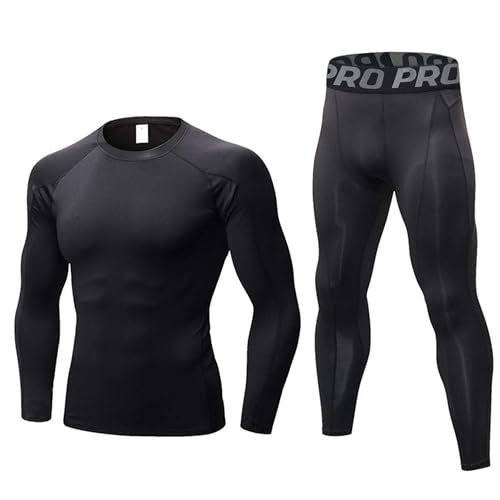
BEGIANT Mens Thermal Underwear Set Long Johns, Long Sleeve Base Layer Compression Top and Bottoms
£22.99 *View On Amazon* - Men's Base Layer Bottoms
FDX Men’s Super-Thermal Compression Tights, Grey, Medium
£25.99 *View On Amazon* - Men's Base Layer Bottoms
Helly Hansen Men’s Lifa Merino Midweight Pant, Black, 2XL
£79.90 *View On Amazon* - Men's Base Layer Bottoms
Towintec Men’s Thermal Leggings Fleece Lined Compression Tights
£10.99 *View On Amazon* - Men's Base Layer Bottoms
UNIQUEBELLA Men’s Thermal Underwear Set, Long Sleeve Top and Long Johns, Black, XL
£17.99 *View On Amazon* - Men's Base Layer Bottoms
Under Armour Men’s CG Ultra-Warm Thermal Leggings, Charcoal Light Heather, XXL EU
£42.23 *View On Amazon* - Men's Base Layer Bottoms
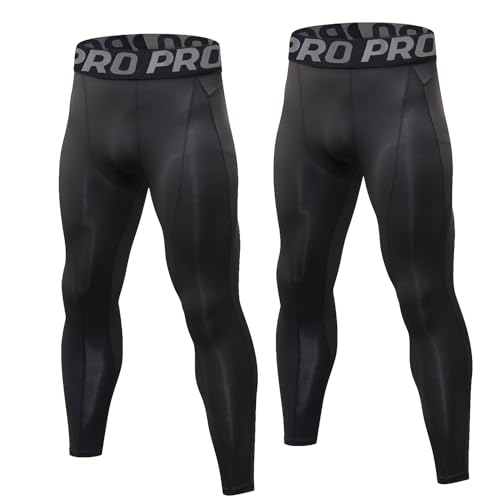
LNFINTDO 2 Pack Men’s Running Leggings Compression Tights
£19.99 *View On Amazon* - Men's Base Layer Bottoms
Orbiz Men’s Thermal Underwear Set, Long Sleeve Top and Bottoms, Large, Grey
£10.95 *View On Amazon* - Men's Base Layer Bottoms
FALKE Men’s Warm Long T Functional Yarn Quick Dry Base Layer Bottoms, Green Herb 7754, XXL
£17.46 *View On Amazon* - Men's Base Layer Bottoms
MEETYOO Men’s Thermal Underwear Set Long Sleeve Top and Bottom Long Johns Base Layer Winter Ski Quick Drying Green
£25.99 *View On Amazon* - Men's Base Layer Bottoms
MEETWEE Men’s Thermal Underwear Set, Long Sleeve Long Johns Base Layer, Black
£28.08 *View On Amazon* - Men's Base Layer Bottoms
Roadbox Men’s Compression Pants Base Layer Tights Leggings Navy Blue 2XL
£12.99 *View On Amazon*






What Are Men’s Base Layer Bottoms
Men’s base layer bottoms are the first clothing layer worn on the lower body, usually underneath trousers, shorts, ski pants, waterproof trousers or outdoor legwear. They are designed to help with warmth, comfort and layering during active or cold weather use.
Depending on the product, base layer bottoms may be lightweight, thermal, stretchy, full length, three quarter length or made with moisture managing fabric where listed. Some are designed mainly for cold weather warmth, while others are better suited to active sport where movement and breathability matter.
They are different from ordinary joggers or casual trousers because they are worn as an underlayer. A good base layer should sit neatly underneath other clothing without feeling bulky or restrictive.
What Men’s Base Layer Bottoms Are Used For
Men’s base layer bottoms are used for outdoor activities, winter sport, camping trips, hiking, cycling, running, football training, gym warm ups and cold weather work. They can also be useful for long days outside, travel in colder conditions or standing around at events.
For active use, base layer bottoms can add comfort without needing thick outer trousers. For slower activities, such as camping, fishing or watching sport outdoors, warmer thermal styles where listed may be more useful.
They are often worn as part of a layering system. The base layer sits next to the skin, a mid layer may add warmth above, and outer trousers or waterproofs can provide weather protection where suitable.
How To Choose The Right Men’s Base Layer Bottoms
Start with the activity. For high energy sport, look for a pair that allows movement and does not feel too warm once you start exercising. For hiking, camping or winter outdoor use, warmth and comfort over longer periods may matter more.
Next, think about the temperature. Lightweight base layer bottoms may suit mild weather, active training or layering under sports kit. Thermal options may be better for colder days, early starts or slower outdoor activities where listed.
Fit is important. Base layer bottoms usually work best when they sit close to the body, but they should not dig in, restrict movement or feel uncomfortable around the waist, thighs or knees.
Also consider what you will wear over them. If they are going under slim trousers, cycling tights, ski pants or waterproof overtrousers, avoid bulky designs unless that extra warmth is needed and the outer layer has enough room.
Key Features To Compare
Fit is one of the most important features. A close fit helps base layer bottoms sit smoothly under other clothing, while too much looseness can create bunching.
Fabric feel matters because the garment is usually worn next to the skin. Soft, smooth fabrics can be more comfortable for long wear, especially during walking, travel or winter sport.
Warmth level should match the activity. A warmer pair may suit cold conditions and slower outdoor use, while a lighter pair may be better for active sport where the body heats up quickly.
Stretch is useful for running, cycling, hiking, skiing and general movement. The fabric should move with the body rather than pulling at the knees, hips or seat.
Waistband comfort is worth checking carefully. A waistband that digs in can become annoying under trousers or backpack hip belts.
Breathability and moisture management, where listed, can support comfort during active use. This can be especially useful when switching between effort, rest and changing temperatures.
Men’s Base Layer Bottoms Compared With Thermal Underwear
Men’s base layer bottoms and thermal underwear can overlap, but they are not always the same. Thermal underwear usually focuses mainly on warmth, while base layer bottoms may be designed for warmth, movement, breathability or active layering depending on the product.
For slower cold weather use, thermal styles may feel more suitable. For sport and outdoor activity, a more active base layer may be better if it offers stretch, comfort and moisture management where listed.
The better choice depends on how much you move, how cold it is and what outer clothing you plan to wear.
Base Layer Bottoms Compared With Joggers And Walking Trousers
Joggers are usually worn as outer clothing or casual sportswear. They may feel comfortable, but they can be bulky under waterproof trousers or outdoor kit.
Walking trousers are worn as the main outer legwear. They can offer pockets, durability and weather suitability where listed, but they may not provide enough warmth on their own in colder conditions.
Base layer bottoms are worn underneath. They add a thin layer of comfort and warmth without replacing the need for suitable outer trousers. The most practical setup often combines base layer bottoms with walking trousers, waterproof trousers or ski pants depending on the activity.
Guidance For Beginners, Regular Users And Experienced Outdoor Users
Beginners should focus on comfort, fit and the activity they need the base layer for. A simple full length pair can be a useful first choice for cold walks, camping or winter sport.
Regular outdoor users may want more than one pair so they can rotate them between washing and different activities. A lighter pair may suit active days, while a warmer pair may suit colder or slower conditions.
Experienced users may compare fabric weight, stretch, waistband shape, seam placement, leg length and how the base layer works with boots, waterproofs and technical trousers. Small comfort details can make a noticeable difference on long days outside.
Runners, cyclists and winter sport users may need a closer fit and better movement. Campers, anglers and cold weather workers may place more emphasis on warmth and all day comfort.
Use Cases By Activity And Season
For hiking and walking, men’s base layer bottoms can add warmth under walking trousers without needing heavy outer layers.
For camping, they can be useful in the evening, during cold mornings or inside sleeping systems where suitable.
For skiing and snow activities, base layer bottoms are often worn under ski trousers as part of a full layering system.
For cycling, they may be worn under cycling trousers, commuting clothing or winter riding layers where suitable and comfortable.
For football, rugby or outdoor training, they can help add warmth under shorts or training trousers where kit rules allow.
For outdoor work and winter travel, they can provide a practical hidden layer during long periods in cold conditions.
Fit, Sizing And Comfort
Men’s base layer bottoms should sit close to the body without feeling tight. They should allow you to bend, squat, walk, run or cycle without pulling or restricting movement.
Check the size guide where listed. Waist, hip, inside leg and general fit guidance can all help you choose a more comfortable size.
The waistband should sit securely without rolling or digging in. Flat seams, shaped panels or smooth finishes where listed may help reduce irritation during longer wear.
Leg length also matters. Full length base layer bottoms offer more coverage, while shorter lengths may suit certain sports or footwear setups where available.
If you plan to wear them under slim fitting trousers, check whether the fabric and seams are likely to feel comfortable underneath.
Compatibility With Outdoor Clothing And Sports Kit
Men’s base layer bottoms should work with the rest of your clothing system. This may include walking trousers, waterproof trousers, ski pants, cycling clothing, football shorts, running trousers or workwear.
If using them with boots, make sure the lower leg does not bunch uncomfortably around the ankle. For skiing or walking boots, sock choice and trouser fit also matter.
If wearing them for organised sport, check any kit rules before buying. Some clubs, leagues or events may have guidance on colours or visible underlayers.
For outdoor activities, think about the whole outfit. Base layer bottoms can add warmth, but you may still need suitable socks, footwear, waterproof layers and upper body clothing for the conditions.
Safety And Practical Use
Base layer bottoms should help you stay comfortable, not overheated. During active use, it is possible to become too warm if the layer is too heavy for the conditions.
Adjust your clothing as activity level changes. If you are hiking uphill, training hard or moving quickly, lighter layers may be more comfortable. If you are standing still, resting or camping, warmer layers may be useful.
In wet weather, base layer bottoms do not replace waterproof trousers. If rain, snow or wet ground is expected, suitable outer protection may be needed.
For cold conditions, do not rely on one layer alone. Use a sensible layering system and choose clothing based on the weather, activity and how long you will be outside.
Care, Washing And Storage
Always follow the care label supplied with the product. Base layer bottoms are often worn next to the skin and may be used during active sport, so regular washing is important.
Turn garments inside out before washing where suitable and avoid harsh treatment if the care label advises against it. Let them dry fully before storing or packing them.
Do not leave damp base layers in kit bags, backpacks or laundry piles for long periods. Empty bags after activity so clothing can dry and stay fresher.
Store clean base layer bottoms with your outdoor clothing or sports kit so they are easy to find before the next cold weather session.
Useful Accessories To Consider
Useful accessories may include men’s base layer tops, walking trousers, waterproof trousers, ski trousers, hiking socks, gloves, hats, neck warmers, fleece tops, insulated jackets and outdoor footwear.
For camping and hiking, spare socks, a warm mid layer and a waterproof outer layer can make the overall setup more practical. For sport, suitable shorts, training trousers and footwear may be useful.
If buying base layer bottoms as a gift, consider the activity, size and whether the wearer needs a matching base layer top.
Why Buy From YPC
At YPC, we understand active lifestyles and the need for practical products that work in real use. Men’s base layer bottoms should be easy to compare by fit, warmth, fabric feel, stretch, waistband comfort, care needs and suitability for the activity.
This category is designed to help buyers choose practical lower body base layers for hiking, camping, skiing, cycling, training, travel and cold weather wear. Browse the men’s base layer bottoms at YPC and compare the available options to find a suitable layer for your next outdoor or active day.
FAQs
What are men’s base layer bottoms?
Men’s base layer bottoms are close fitting lower body layers worn under trousers, sports kit or outdoor clothing. They are used for warmth, comfort and layering during cold weather or active use.
When should I wear base layer bottoms?
You can wear base layer bottoms for hiking, camping, skiing, cycling, football training, running, outdoor work, winter travel or any situation where extra lower body warmth and comfort are useful.
Should base layer bottoms be tight?
They should fit close to the body but still feel comfortable. They should not restrict movement, dig into the waist or bunch under outer trousers.
Are base layer bottoms the same as thermal underwear?
They can be similar, but not always. Thermal underwear usually focuses on warmth, while base layer bottoms may also focus on movement, breathability and active layering depending on the product.
Can I wear base layer bottoms under walking trousers?
Yes, they can be worn under walking trousers for added warmth and comfort in colder conditions. Make sure the fit is smooth and does not feel bulky or restrictive.
Are men’s base layer bottoms suitable for skiing?
They can be suitable for skiing where the warmth, fit and fabric match the conditions and work comfortably under ski trousers. Check the product details before buying for winter sport.
Can base layer bottoms be worn for football training?
Yes, they may be worn under shorts or training trousers where suitable and where kit rules allow. Check colour, fit and comfort before using them for organised sport.
How do I wash men’s base layer bottoms?
Follow the care label supplied with the product. Many base layers benefit from gentle washing, drying fully before storage and being removed from sports bags promptly after use.
 Getting ready for Summer? View our Home and Garden Products

Heading outdoors this winter? Take a look at our Outdoor Clothing.