
Fishing Swivels and Snaps
Fishing swivels and snaps are small terminal tackle components used to connect lines, rigs, hooks, feeders, leads and lures more securely and efficiently. They are suitable for coarse anglers, carp anglers, predator anglers, lure anglers, sea anglers and anyone who wants practical connection points in their fishing setup.
The right fishing swivel or snap depends on your fishing method, target species, line strength, rig type, lure size, casting weight, water conditions, corrosion resistance claims where listed and venue rules. A light swivel for float fishing has a very different job from a strong snap link used for sea fishing or predator lures.
- Fishing Swivels and Snaps
9Tong 50pcs 29lbs Stainless Steel and Copper Alloy Barrel Point Fishing Swivels
£12.99 *View On Amazon* - Fishing Swivels and Snaps
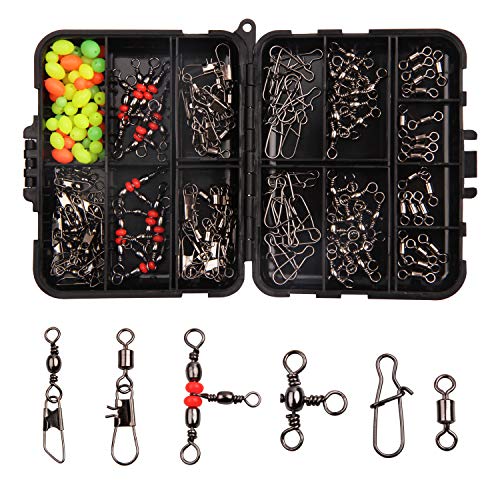
210pcs Rolling Fishing Swivel With Duo Lock Snaps Fishing Tackle Kit
£13.99 *View On Amazon* - Fishing Swivels and Snaps
25Pcs Fishing Speed Clips Quick Change Fishing Snap Swivels 44lb
£5.99 *View On Amazon* - Fishing Swivels and Snaps
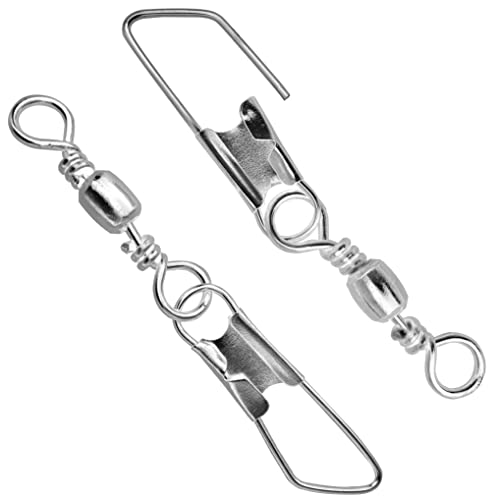
Alwonder 100 Pcs Quick Change Fishing Snap Swivel Terminal Tackle Size 10
£6.59 *View On Amazon* - Fishing Swivels and Snaps
VEPEPE 100 Pcs Barrel Fishing Swivels with Duo Lock Snaps, 6# to 14#, Silver
£3.99 *View On Amazon* - Fishing Swivels and Snaps
SF 140PCS Fishing Swivel Snaps Kit with Luminous Beads
£12.99 *View On Amazon* - Fishing Swivels and Snaps
Ysimple 120Pcs Barrel Fishing Swivels with Duo Lock Snaps
£5.89 *View On Amazon* - Fishing Swivels and Snaps
NewShot Fishing Barrel Swivels with Safety Snaps, Pack of 20, 19lb
£4.99 *View On Amazon* - Fishing Swivels and Snaps
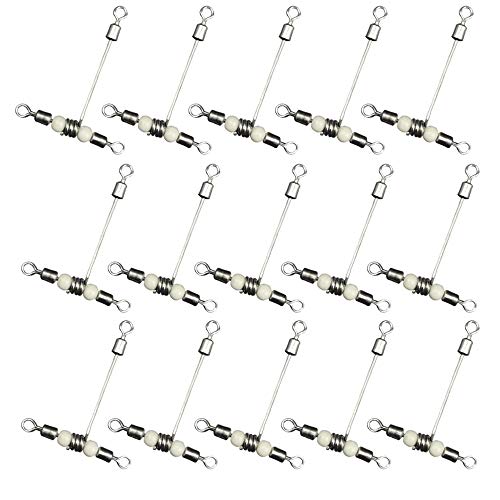
JIANGCHA 15 Pcs T shape Line Fishing Swivels Snaps Luminous 3 Way Rolling Swivels for Sea Fishing Connector Tackle
£3.99 *View On Amazon* - Fishing Swivels and Snaps
Realure 100 Pcs Quick Change Fishing Rolling Swivels with Hanging Snaps 4# 6# 8# 10# 12#
£7.59 *View On Amazon* - Fishing Swivels and Snaps
Realure 100 Pcs Rolling Fishing Swivels and Clips Duo Lock Snaps for Carp Fishing
£5.89 *View On Amazon* - Fishing Swivels and Snaps
Drennan Quick Snap Swivels Pack of 6 for Fishing 18
£5.99 *View On Amazon*




What Are Fishing Swivels And Snaps?
Fishing swivels are small rotating connectors used to join parts of a rig while helping reduce line twist. They are commonly used between main line, hooklengths, leaders, feeders, traces and other rig components.
Fishing snaps are small clips used to attach or change tackle quickly. They can be used with lures, weights, feeders, rigs or traces depending on the style and strength of the snap.
Some items combine both functions, such as snap swivels, which include a rotating swivel and a clip. These can be useful when you want both twist reduction and quicker changes.
What Are Fishing Swivels And Snaps Used For?
Fishing swivels and snaps are used to create reliable connection points in a rig. They can help connect main line to hooklength, attach a feeder, change lures, add a lead, build a predator trace or create a neat rig link.
Swivels are especially useful where line twist may be a problem. This can happen when using spinners, some rigs, rotating baits or certain casting and retrieve styles.
Snaps are useful when you need to change tackle quickly. Lure anglers often use them to swap lures, while sea anglers may use stronger links to change rigs or weights.
How To Choose The Right Fishing Swivels And Snaps
Start with the fishing method. Light coarse fishing may only need small, neat swivels, while predator fishing, carp fishing and sea fishing may need stronger components that match heavier tackle.
Next, think about the strength of the full setup. The swivel or snap should suit the line, hook, leader, trace, weight, lure and target fish. A weak connector can become the failure point if it is not matched properly.
Size also matters. A connector that is too large can affect presentation, while one that is too small may not be suitable for the pressure of casting or playing fish. Choose the smallest practical component that is still strong enough for the job.
Key Features To Compare
When comparing fishing swivels and snaps, look at size, strength rating where listed, material, finish, rotation quality, clip style, opening shape, ease of use, corrosion resistance claims where listed and suitability for freshwater or saltwater use.
For swivels, smooth rotation can help reduce twist. For snaps, secure closure is important because the clip needs to stay shut during casting, retrieving and playing fish.
Colour and finish can also matter. Some anglers prefer darker finishes for subtle rigs, while brighter or plated finishes may be used in other setups. Choose based on method, water clarity and product suitability.
Barrel Swivels, Rolling Swivels And Crane Swivels
Barrel swivels are common all round swivels used in many basic rigs. They can be useful for joining line sections and reducing twist in simple setups.
Rolling swivels are often chosen where smoother rotation is desired, depending on the product. They can be useful in rigs where line twist is more likely.
Crane swivels are another swivel style used in a range of coarse, carp, predator and sea fishing setups. The right swivel type depends on the rig and the strength needed.
Snap Swivels, Snap Links And Quick Change Clips
Snap swivels combine a swivel and a clip, making them useful when you want to reduce twist and change tackle quickly. They may be used with lures, feeders, weights or rigs depending on size and strength.
Snap links are clips used for attaching items such as lures, leads, feeders or rigs. They can make tackle changes quicker during a session.
Quick change clips and swivels are useful when anglers want to swap hooklengths, rigs or feeders without retying everything. They should always be matched to the tackle and fish being targeted.
Swivels Compared With Snaps
Swivels are mainly used to reduce twist and connect line sections. They are useful when movement in the rig could cause the line to twist.
Snaps are mainly used for quick attachment and removal. They are useful when changing lures, rigs, feeders or weights during a session.
The trade off is rotation versus convenience. A swivel helps manage line twist, while a snap helps speed up tackle changes. A snap swivel offers both, but it may be bulkier than using a small swivel or clip alone.
Beginner, Regular Angler And Experienced Angler Guidance
Beginners should start with simple swivels and snaps that match their fishing method. A small selection of general swivels, snap links and rig clips can cover many basic coarse fishing and lure fishing needs.
Regular anglers may want different sizes and styles for float fishing, feeder fishing, carp rigs, predator traces and sea rigs. Keeping them organised by size and use makes sessions easier.
Experienced anglers often fine tune connector size, strength, finish, rotation, clip style and rig placement. Small rig components can affect presentation, safety and confidence.
Swivels And Snaps For Coarse Fishing
Coarse fishing often uses swivels and snaps in feeder rigs, float rigs, leger rigs and hooklength connections. Small swivels can help connect hooklengths neatly, while clips can help change feeders or weights.
Presentation is important in coarse fishing, so avoid using components that are larger or heavier than needed. A bulky swivel near a small bait can make the rig look less natural.
Always match the swivel or snap to the fish, line and method. Light tackle needs neat components, while stronger setups for larger fish may need more robust connectors.
Swivels And Snaps For Carp Fishing
Carp fishing often uses swivels, quick change swivels, ring swivels, lead clips, rig clips and other connection components. These help create rigs that are neat, practical and suitable for the chosen presentation.
Rig safety is especially important in carp fishing. The setup should reduce the risk of fish being left towing tackle if the main line breaks.
Always check fishery rules before using rig components, lead systems or leaders. Some venues restrict certain setups for fish safety reasons.
Swivels And Snaps For Predator And Lure Fishing
Predator and lure fishing often use snaps, snap links and swivels to make lure changes quicker and reduce line twist. This is useful when swapping between spinners, spoons, soft lures, plugs or other artificial lures.
For toothy fish such as pike, a suitable trace or bite resistant leader may be needed. The snap or swivel should match the strength of the trace, lure and target species.
Some lure anglers prefer very small clips for lighter presentations, while others need stronger snaps for larger lures. Balance strength with lure action so the connector does not spoil the presentation.
Swivels And Snaps For Sea Fishing
Sea fishing can put heavy strain on swivels and snaps because of casting weight, tide, surf, rough ground and stronger fish. Stronger components may be needed depending on the rig and location.
Saltwater can also be hard on metal tackle. Check corrosion resistance claims where listed and rinse or dry suitable tackle after sea use where appropriate.
For beach casting, boat fishing or rock fishing, connectors should match the rig body, hooklength, weight and target species. Weak or damaged clips should not be used.
Size, Strength And Rig Balance
Size and strength should be chosen together. A very strong swivel may be too large for delicate fishing, while a tiny snap may not suit heavy lures or sea weights.
The connector should not be the weakest part of the setup unless the rig is designed that way for a specific safe purpose. Main line, leader, hooklength, hook and terminal tackle should all be balanced.
Rig balance also affects presentation. If a swivel or snap is too heavy, shiny or bulky, it may change how bait, lures or rigs behave in the water.
Line Twist, Lure Action And Presentation
Swivels can help reduce line twist, but they do not solve every twist problem. Poorly loaded reels, spinning baits, unbalanced rigs and unsuitable retrieves can still create problems.
For lure fishing, connector size can affect lure action. A bulky snap may change how a small lure moves, while a suitable clip can make lure changes quicker without affecting action too much.
For bait fishing, connectors should be chosen so they do not interfere with how the hook bait sits or how the rig works during a bite.
Venue Rules And Responsible Rig Use
Always check venue rules before fishing with swivels, snaps and rig components. Some fisheries restrict lead clips, fixed rigs, leaders, traces, barbed hooks, treble hooks or certain predator methods.
Responsible rig use matters. Rigs should be suitable for the fish being targeted and should not create unnecessary tethering risks.
Take old swivels, snaps, broken clips, line and packaging home with you. Small tackle items can still harm wildlife if left on the bank.
Safety When Handling Snaps, Hooks And Rigs
Snaps and swivels are small, but they are often used near hooks, lures, weights and sharp tools. Handle rigs carefully and keep loose components away from children, pets and wildlife.
When using lures with treble hooks, take extra care because clips and hooks can catch in nets, clothing and hands. Forceps or pliers may be useful for safer handling.
Before casting, check that the snap is fully closed and the rig is connected correctly. A poorly closed clip can fail during a cast or while playing a fish.
Care, Cleaning And Storage
Fishing swivels and snaps should be stored dry, clean and organised. Tackle boxes, small compartment trays and rig wallets can help keep different sizes and styles separate.
Check connectors before use. Replace any swivel or snap that is bent, rusty, cracked, stiff, rough, weakened or difficult to close properly.
After sea fishing or wet sessions, clean and dry suitable tackle where appropriate. Regular checks are important because small damaged components can cause lost fish or lost tackle.
Useful Accessories To Consider
Useful accessories for fishing swivels and snaps include tackle boxes, rig wallets, hooklength boxes, pliers, forceps, line cutters, leaders, traces, hooks, feeders, leads, lure boxes and hooklink material.
For lure fishing, spare clips, traces and pliers can be useful. For carp fishing, lead clips, tubing, rig rings, hooklinks and fish care equipment may be important. For sea fishing, strong rig bodies, shock leaders, weights and suitable hooks should be considered.
The best setup is one where every connection point suits the line, rig, bait, lure and fish being targeted.
Why Buy Fishing Swivels And Snaps From YPC?
At YPC, we understand active lifestyles and the need for practical products that work in real use. Fishing swivels and snaps should be chosen carefully because small connection points can affect strength, presentation, lure action and rig safety.
Browse the Fishing Swivels and Snaps category at YPC to compare available options, check the details that suit your fishing method and choose rig components that match the waters and species you plan to target.
Fishing Swivels And Snaps FAQs
What are fishing swivels?
Fishing swivels are small rotating connectors used to join parts of a fishing rig. They can help reduce line twist and create neat connection points between main line, leaders, hooklengths, feeders or rigs.
They are used in many types of fishing, including coarse, carp, predator and sea fishing.
What are fishing snaps?
Fishing snaps are small clips used to attach and change tackle quickly. They may be used with lures, feeders, weights, rigs or traces depending on their size and strength.
They are useful when you need to swap tackle without retying knots every time.
Are swivels and snaps suitable for beginners?
Yes, swivels and snaps are suitable for beginners. They can make rigs easier to build and help with changing tackle during a session.
Beginners should choose sizes and strengths that match their fishing method rather than using oversized components for everything.
What is a snap swivel?
A snap swivel combines a rotating swivel with a clip. It can help reduce line twist while also allowing quick changes of lures, rigs, feeders or weights.
It can be useful, but it may be bulkier than using a small swivel or clip alone.
What is a barrel swivel?
A barrel swivel is a common all round swivel used to connect lines or rig components. It can help reduce line twist in many simple fishing setups.
It should be chosen in a size and strength that suits the rig.
What is a rolling swivel?
A rolling swivel is a swivel style often chosen where smooth rotation is useful. It may help reduce twist in rigs where movement or spinning can occur.
Check the product details for size, strength and intended use.
What is a quick change swivel?
A quick change swivel is designed to make changing hooklengths, rigs or components quicker. It can be useful in feeder fishing, carp fishing and other methods where fast rig changes are helpful.
It should be used with suitable sleeves or rig components where required by the setup.
What are snap links used for?
Snap links are used to attach and remove tackle quickly. They may be used with lures, feeders, leads, traces or rigs depending on the product.
Choose a snap link that is strong enough for the tackle and fish being targeted.
Do swivels stop line twist?
Swivels can help reduce line twist, especially when using spinning lures or rigs that rotate. They do not prevent every twist problem.
Reel loading, lure action, rig balance and retrieve style can also affect line twist.
Do I need swivels for lure fishing?
Swivels can be useful for some lure fishing, especially with spinners and spoons that can twist line. Some anglers use snaps or snap swivels to make lure changes quicker.
Choose small, suitable connectors that do not spoil the lure action.
Do I need snaps for lure fishing?
Snaps can be useful for lure fishing because they allow quick lure changes. This is helpful when changing size, colour, depth or action during a session.
Make sure the snap strength and size match the lure and target species.
Are swivels needed for feeder fishing?
Swivels are often used in feeder fishing to connect hooklengths, reduce twist and create neat rig links. Quick change swivels can also make hooklength changes faster.
The setup should match the feeder, line, target fish and venue rules.
Are swivels and snaps used in carp fishing?
Yes, carp rigs often use swivels, quick change swivels, ring swivels, clips and other rig components. These help create specific presentations and safe rig systems.
Always check fishery rules and use rigs responsibly.
Are swivels and snaps used in sea fishing?
Yes, sea fishing often uses strong swivels, clips and snaps to connect rigs, weights and hooklengths. Components need to suit casting weight, tide, rough ground and target species.
After sea use, check for corrosion or damage.
What size swivel should I use?
The right swivel size depends on line strength, rig type, target fish and presentation. Use the smallest practical swivel that is still strong enough for the method.
A swivel that is too large can make a rig bulky and less natural.
What strength snap should I use?
Snap strength should match the lure, rig, line and fish being targeted. Heavy lures, sea weights and strong fish need stronger snaps than light coarse or small lure fishing.
Do not use a weak snap as a shortcut in a heavy setup.
Can a snap open during casting?
A snap can open if it is damaged, overloaded, poorly closed or unsuitable for the weight being cast. Always check the snap before casting.
Use clips and snaps that match the tackle and replace any that look worn or bent.
Can swivels and snaps affect bait presentation?
Yes, swivels and snaps can affect presentation if they are too large, heavy or placed in the wrong position. They can also affect how a rig or lure moves.
Choose components that suit the method and keep the rig balanced.
How should I store swivels and snaps?
Store swivels and snaps in a small tackle box, compartment tray or rig organiser. Keep different sizes and styles separate so they are easy to find.
Store them dry and replace any that are rusty, bent or difficult to close.
What should I check before buying fishing swivels and snaps?
Check the size, strength, material, finish, clip style, rotation, freshwater or saltwater suitability, rig compatibility and target species.
The right swivel or snap should match your line, rig, lure, weight and fishing method.
 Getting ready for Summer? View our Home and Garden Products

Heading outdoors this winter? Take a look at our Outdoor Clothing.