What Are Hamster Toys And Exercise Products?
Hamster toys and exercise products are accessories designed to add movement, exploration and enrichment to a hamster’s daily routine. Some products encourage physical activity, while others provide places to investigate, chew, climb through, hide inside or search for food.
Exercise wheels are one of the most familiar hamster accessories and provide an activity your pet can use independently. Tunnels and bridges create different routes through the enclosure, while chew toys provide an appropriate outlet for natural gnawing behaviour.
Foraging toys encourage hamsters to search and work for small portions of food. Playpens can provide a larger supervised area outside the main enclosure where suitable, while platforms and activity centres may add variety when positioned safely.
Not every hamster will use every toy in the same way. Some may spend long periods running, while others are more interested in digging, collecting nesting material or investigating tunnels.
What Are Hamster Toys And Exercise Products Used For?
Hamster toys are used to make an enclosure more varied and encourage natural activity. Hamsters often become active during the evening and night, so they need safe ways to move and explore even when their owner is asleep.
A suitable exercise wheel allows repeated running without needing a large open floor area. Tunnels can recreate the enclosed routes many hamsters enjoy, while hides and covered toys provide places to retreat when they want privacy.
Chew toys can help redirect gnawing towards appropriate items rather than enclosure fittings. Foraging products make feeding more engaging by encouraging the hamster to sniff, search and investigate.
Exercise products can also help owners create different activity areas within the enclosure. You might have a wheel in one area, deeper substrate for digging in another and tunnels or chewable items placed around the habitat.
The aim is not to make the enclosure crowded. It is to provide useful choices while leaving enough room for normal movement, nesting, feeding and resting.
How To Choose The Right Hamster Toys And Exercise Equipment
Start with your hamster’s body size and species. Syrian hamsters generally need larger openings, wider toys and more spacious exercise equipment than many dwarf hamsters. Always check product dimensions and suitability where listed rather than assuming an item will fit every hamster.
Next, consider the available enclosure space. A large wheel may be useful, but it must fit without pressing against the roof, bedding or other accessories. Tunnels should not block access to food, water, sleeping areas or ventilation.
Think about your hamster’s behaviour too. An active hamster may make regular use of a wheel and supervised play area. A hamster that enjoys burrowing may prefer tunnels, cardboard structures and toys that can be partly covered with substrate. A frequent chewer may benefit from a wider choice of suitable gnawing items.
Materials also matter. Products may be made from wood, cardboard, grass, plastic, fabric or mixed materials, depending on the item. Check that the product is intended for hamsters or suitable small pets, particularly if your hamster is likely to chew it.
Finally, consider cleaning and replacement. Plastic items may be easier to wipe, while wooden and natural toys can offer a different texture but may need more careful cleaning. Cardboard toys can be enjoyable and practical, although they may need replacing when heavily chewed, damp or soiled.
Key Features To Compare
When comparing hamster toys and exercise products, look at size, material, stability, surface design, openings, ventilation, cleaning needs and how the item fits into the enclosure.
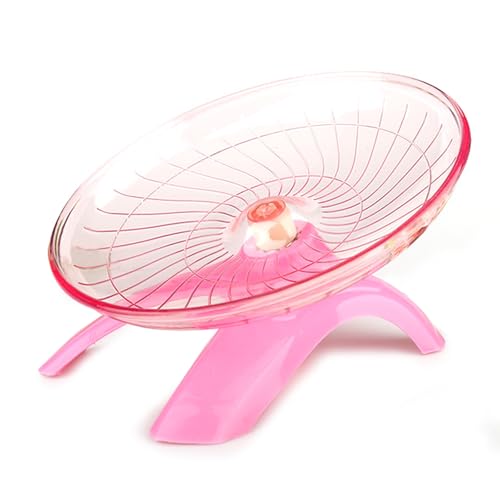
For exercise wheels, check the wheel diameter, running surface, base or mounting system and clearance around moving parts. The wheel should be large enough for the hamster to run without noticeably curving its back. A continuous running surface is generally more practical than one with large gaps where feet could become caught.
Stability is important because a wheel or climbing toy that tips, rocks or moves across the enclosure can be difficult to use. Check whether the product stands independently, attaches to enclosure bars or requires a particular surface.
For tunnels, compare internal space, ventilation and the shape of bends or connections. The hamster should be able to move through comfortably without becoming trapped. Long enclosed systems should have enough access points to make inspection and cleaning manageable.
For chew toys, check the material and intended pet suitability. Avoid choosing items only because they look decorative. A useful chew toy should be suitable for the hamster to investigate and gnaw, with no loose parts, sharp edges or finishes that are not listed as pet appropriate.
Noise may also matter, especially if the enclosure is kept near a bedroom. Some exercise wheels may be designed for quieter movement where listed, although sound can still depend on the surface, fitting and how the hamster uses it.
Hamster Wheels Tunnels Chew Toys And Playpens Compared
Different hamster toys serve different purposes, so one type does not replace all the others.
An exercise wheel provides repeated movement and can remain available whenever the hamster becomes active. It is one of the most useful additions to many enclosures, but it should be correctly sized, stable and positioned safely.
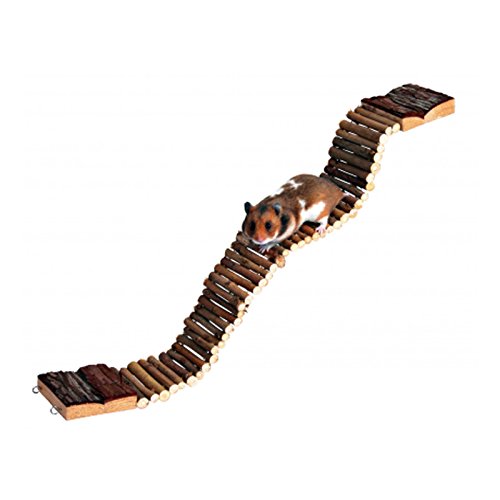
Tunnels encourage exploration and can create covered routes between different parts of the habitat. They may be rigid, flexible, chewable or modular depending on the product. Tunnels are useful for variety, but they should be checked regularly for cleanliness and damage.
Chew toys provide a suitable outlet for gnawing. They can include wooden pieces, natural fibre toys, chewable bridges and shaped small pet accessories where listed. They are often smaller than exercise products and are useful for placing in several areas of the enclosure.
Climbing toys, bridges and platforms create different levels, but they need careful positioning. Hamsters can be enthusiastic explorers without being particularly skilled climbers, so layouts should remain low and avoid long drops onto hard items.
A secure playpen can provide supervised exercise outside the main enclosure. It gives the hamster more space to explore and allows you to add hides, tunnels and toys. Unlike permanent enclosure accessories, a playpen should only be used while the hamster is supervised and the area is protected from escapes, other pets and household hazards.
Some owners consider enclosed exercise balls, but these can limit the hamster’s ability to stop, hide or leave when it chooses. A secure playpen is often a more controllable option because it allows access to shelter and different activities. Always follow the product guidance and prioritise your hamster’s behaviour and comfort.
Guidance For New Regular And Experienced Hamster Owners
New hamster owners should begin with a few useful basics rather than buying too many toys at once. A correctly sized exercise wheel, a suitable hide, safe chewing items and one or two tunnels can create a practical starting setup.
Watch how your hamster uses each product. This will help you understand whether it prefers running, burrowing, climbing through tunnels, collecting materials or searching for food. You can then add enrichment based on real behaviour rather than guesswork.
Regular hamster owners may want to compare quieter wheels, different tunnel layouts and more varied foraging products. Rotating selected toys can keep the enclosure interesting, although familiar sleeping areas, food locations and important resources should remain easy to find.
Experienced owners may build larger activity layouts using platforms, bridges, deep substrate areas, multiple hides and supervised play spaces. More complex does not always mean better. Every item still needs to be accessible, stable and suitable for the hamster’s size.
Whatever your experience level, inspect toys regularly. Hamsters can chew through materials quickly, and an item that was safe when new may need removing once it becomes damaged.
Choosing Toys For Different Hamsters And Behaviours
Syrian hamsters usually need larger wheels, tunnels, hides and openings than smaller dwarf species. Always check the dimensions listed and consider the hamster’s full body size when moving through or sitting inside a product.
Dwarf hamsters may use smaller accessories, but products should still provide comfortable movement. Tiny openings or narrow tubes can be unsuitable even for a small hamster if the design is restrictive.
For energetic runners, a suitable wheel is likely to be a priority. For keen burrowers, tunnels, dig areas and toys that can be used around deeper substrate may offer more interest.
Hamsters that frequently chew may benefit from several appropriate chewable textures. Replace toys when they become sharp, splintered, heavily soiled or small enough to create a risk.
More cautious hamsters may prefer covered tunnels and hides rather than open climbing structures. Give a new pet time to settle before introducing major changes, and avoid forcing it to interact with a toy.
Older hamsters or those with limited movement may find low level tunnels, easy access hides and gently positioned enrichment more suitable than steep climbing products. Any sudden change in activity, movement or behaviour should be discussed with a veterinary professional.
Fit Compatibility And Enclosure Space
Measure the enclosure before buying larger hamster exercise equipment. Check floor space, internal height and the depth of substrate where the product will sit. A wheel may fit when the enclosure is empty but become obstructed once bedding and other accessories are added.
Allow clear space around moving parts. The wheel should not rub against enclosure walls, bedding, hides or toys. Freestanding products need a level and stable base, while mounted products should be compatible with the enclosure design where listed.
Tunnels and activity centres should have openings that suit the hamster. Avoid creating narrow dead ends that are difficult to inspect or reach. Products should also be positioned so they do not interfere with ventilation.
Leave open pathways between the sleeping area, food, water, toilet area and exercise equipment. An enclosure packed with toys can reduce usable floor space and make cleaning difficult.
If you use platforms or bridges, keep fall distances low and avoid placing hard or pointed objects underneath. Soft substrate can help create a more forgiving landing area, but safe positioning remains important.
Safety And Supervision
Check every hamster toy before placing it in the enclosure. Look for sharp edges, cracks, loose threads, exposed fastenings, small detachable pieces or gaps where a foot or limb could become trapped.
Fabric and rope style products need particular care because loose fibres can become tangled around feet or be pulled apart through chewing. Remove any item that develops frayed sections or exposed strands.
Wooden toys should be checked for rough splinters and heavy soiling. Plastic products should be removed if chewing creates sharp edges or missing pieces. Cardboard items should be replaced when they become wet, dirty or structurally weak.
Keep climbing areas low and stable. Avoid placing toys where a fall could land the hamster against a wheel, bowl or other hard accessory.
Supervise exercise outside the enclosure. Use a secure area away from electrical cables, small gaps, stairs, open doors, other pets and anything unsafe to chew. Never leave a hamster unattended in an open room or play area.
Do not wake a sleeping hamster simply to use a toy. Allow it to become active naturally and offer interaction at a pace that suits the individual pet.
Cleaning Maintenance And Toy Rotation
Follow the cleaning guidance supplied with each product where available. Plastic toys may be suitable for wiping or washing, while wood, cardboard and natural materials may need gentler care.
Use cleaning products that are suitable for small pet equipment and rinse thoroughly where required. Avoid leaving strong fragrances or residues on items placed back into the enclosure.
Allow washed toys to dry completely before use. Damp items can affect bedding and may become unpleasant inside an enclosed habitat.
Inspect exercise wheels regularly for smooth movement, stable fittings and trapped bedding. Remove debris from around the base and check that no part has become loose.
Toy rotation can add variety, but avoid changing the entire enclosure at once. Keeping some familiar items and scents can help the habitat remain recognisable. Introduce new products gradually and observe how the hamster responds.
Store spare toys clean and dry. Keep natural or cardboard items away from damp areas, and place small accessories together so they are easy to inspect before reuse.
Useful Accessories To Consider
Useful related products can include hamster bedding, nesting material, hides, food bowls, water bottles, sand baths, small pet carriers and enclosure cleaning accessories.
Deep suitable substrate can give the hamster another form of exercise through digging and burrowing. Multiple hides can provide choice, while a sand bath may support grooming behaviour where suitable for the hamster and product used.
Foraging accessories can be paired with small portions of the hamster’s normal food. Scatter feeding and simple food searches can make feeding more engaging without relying only on treats.
A secure carrier is useful for enclosure cleaning, transport and veterinary visits. A playpen may also provide a controlled temporary area during supervised activity, depending on the product and available space.
Choose accessories as part of the complete habitat rather than viewing each product separately. The wheel, bedding, hides, tunnels, feeding area and water source should all work together without overcrowding the enclosure.
Why Buy Hamster Toys And Exercise Products From YPC?
At YPC, we understand active lifestyles and the need for practical products that work in real use. Hamster toys and exercise equipment can vary by size, material, design, stability, cleaning needs and species suitability, so comparing the details helps you choose with more confidence.
YPC helps you browse small pet accessories with real hamster care in mind, whether you are choosing a first exercise wheel, adding tunnels and chew toys or creating a more varied activity setup. Explore the Hamster Toys and Exercise category to browse the available options and compare the features that matter most for your hamster and enclosure.
FAQs
What toys does a hamster need?
A practical setup usually includes a correctly sized exercise wheel, hiding places, suitable chew toys and opportunities to tunnel, dig or forage. The exact mix depends on the hamster’s size, behaviour and enclosure.
How do I choose the right hamster exercise wheel?
Choose a wheel that allows your hamster to run without noticeably curving its back. Check the diameter, running surface, stability, mounting style and available enclosure space before buying.
Do hamsters need chew toys?
Hamsters naturally gnaw, so suitable chew toys can provide an appropriate outlet for this behaviour. Check that each toy is intended for hamsters or suitable small pets and replace it when damaged.
Are hamster exercise balls suitable?
Enclosed exercise balls may restrict a hamster’s ability to stop, hide or leave when it chooses. Many owners prefer a secure supervised playpen with hides and toys. Always prioritise your hamster’s comfort and follow any product guidance carefully.
Can hamsters use climbing toys?
Hamsters may explore low bridges, platforms and climbing accessories, but they can be awkward climbers. Keep equipment stable, avoid steep layouts and reduce the distance the hamster could fall.
How often should hamster toys be changed?
Replace toys when they become damaged, sharp, heavily soiled or unsafe. Selected toys can also be rotated occasionally to add variety, but avoid changing every familiar item at once.
How should I clean hamster toys?
Follow the product care instructions. Use suitable small pet cleaning products where needed, rinse thoroughly and let toys dry completely before returning them to the enclosure.
Can Syrian and dwarf hamsters use the same toys?
Some products may suit both, but size requirements can differ considerably. Syrian hamsters generally need larger wheels, tunnels and openings, so always check product dimensions and species suitability where listed.
Can I make homemade hamster toys?
Simple cardboard tunnels, boxes and foraging items may be suitable when made from clean, safe materials without tape, staples, sharp edges or unsafe coatings. Inspect homemade toys frequently and remove them once wet, damaged or heavily chewed.
Where should I put an exercise wheel in a hamster enclosure?
Place the wheel on a stable surface with enough clearance to turn freely. It should not rub against bedding or other accessories, block ventilation or obstruct access to food, water and sleeping areas.





 Getting ready for Summer? View our Home and Garden Products