
Projectors
Projectors are display devices designed to show a large image on a wall, screen or suitable flat surface. They are ideal for home cinema rooms, living rooms, garden movie nights, gaming setups, classrooms, offices and anyone who wants a bigger picture than a standard television or monitor can provide
.
A good projector can make films, sport, games, photos and presentations feel more immersive. The right choice depends on brightness, resolution, throw distance, screen size, room lighting, speaker quality, connection options, portability and how the projector will be used most often.
- Projectors
One Fire Galaxy Projector 16 Colour Gifts for Teenager Girls Birthday Gifts for Women Boys 15 White Noise Machine Bluetooth Night Light Projector Remote Sensory Lights Bedroom Accessories
Original price was: £45.99.£37.99Current price is: £37.99. *View On Amazon* - Projectors
120 inch Projector Screen with Stand, Vamvo Outdoor Indoor Screen 16:9 4K Full HD for Home Theatre Office Presentation, Portable Projector Screen with Carrying Bag
Original price was: £139.99.£89.99Current price is: £89.99. *View On Amazon*


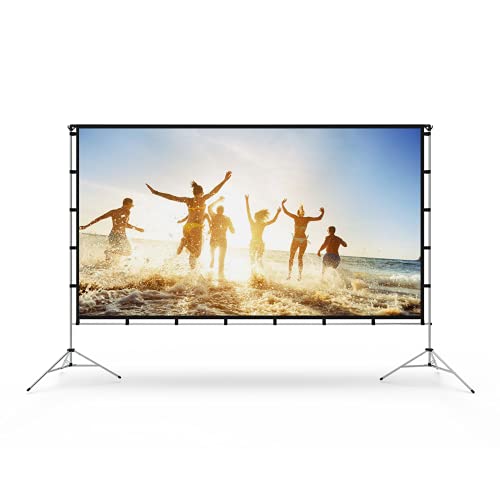


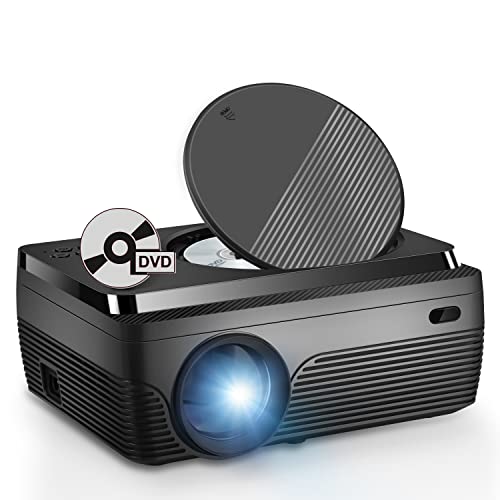


How to Choose the Right Projector
Start by thinking about where the projector will be used. A dark room for films needs different features from a bright meeting room, a bedroom setup or a portable projector for occasional outdoor use.
Room size matters because every projector needs enough distance to create the image size you want. Some projectors need to sit further back, while short throw models can create a large image from closer to the wall or screen. Before buying, check the throw distance and make sure it suits your space.
What Matters Most When Comparing Projectors
The main things to compare are brightness, resolution, contrast, throw distance, image size, focus adjustment, keystone correction, input ports, speaker quality, noise level and whether the projector is designed for fixed or portable use.
Brightness is especially important. A projector used in a darker room can usually get away with less brightness than one used in a room with daylight or strong lamps. If the picture will be watched during the day, check the brightness guidance carefully before buying.
Home Cinema Projector or Presentation Projector?
A home cinema projector is usually chosen for films, streaming, sport and immersive viewing. Picture quality, colour, contrast, resolution and quiet operation are often more important than business style features.
A presentation projector is usually chosen for slides, charts, documents and meetings. Brightness, clear text, easy setup and reliable connection options often matter more than cinematic image quality.
The trade off is picture experience versus practical display. Home cinema projectors are better for entertainment, while presentation projectors are better for clear, simple viewing in work or learning spaces.
Portable Projector or Full Size Projector?
A portable projector is useful if you want something easy to move between rooms, take on trips or use occasionally for garden films, children’s rooms or temporary setups. It may be compact and convenient, but it may not offer the same brightness or sound as a larger model.
A full size projector is usually better for a more permanent setup. It can be more suitable for home cinema rooms, fixed screens, ceiling mounting or regular viewing where image quality and performance matter more than portability.
The trade off is convenience versus capability. Portable projectors are easier to move and store, while larger projectors are often better for regular big screen use.
Projector or Television?
A projector is usually better if you want a very large image for films, sport, gaming or shared viewing. It can create a cinema style feel, especially when used with a suitable screen and darker room.
A television is usually better for everyday viewing in bright rooms, quick use, built in sound and simple setup. It does not need the same throw distance, screen placement or room lighting control.
The trade off is image size versus convenience. A projector can feel much bigger and more immersive, while a television is usually easier for normal daily watching.
Resolution, Image Quality and Screen Size
Resolution affects how detailed the image looks. Lower resolution projectors may be enough for basic use, while Full HD or 4K style models may be more suitable for films, gaming and sharper large screen viewing, depending on the product.
Screen size should also be realistic. A huge projected image can look impressive, but only if the projector has enough brightness and resolution for the room. A slightly smaller, clearer image is often better than a very large picture that looks dim or soft.
Throw Distance, Focus and Keystone Correction
Throw distance tells you how far the projector needs to sit from the wall or screen to create a certain image size. This is one of the most important things to check before buying, especially in smaller rooms.
Focus adjustment helps sharpen the image, while keystone correction helps straighten the picture if the projector is not perfectly aligned. These features can make setup easier, but they do not replace proper positioning. A projector placed in the right spot will usually give the best result.
Connections, Streaming and Sound
Projector connections can include HDMI, USB, audio output, wireless casting or smart features depending on the model. Check what you want to connect before buying, such as games consoles, laptops, streaming sticks, TV boxes, speakers or phones.
Built in speakers can be convenient for casual use, but they may not be enough for a proper home cinema feel. If sound matters, check whether the projector can connect to external speakers, a soundbar or headphones.
Projectors for Gaming and Sports
For gaming, look at input options, resolution, refresh support and response time where provided. A projector can be great for big screen gaming, but fast action games need a setup that feels responsive enough for the way you play.
For sport, brightness and motion handling matter. A larger image can make matches and events feel more social, but the projector still needs to suit the room lighting and screen size. If you watch during the day, brightness becomes even more important.
Setup, Storage and Everyday Use
A projector should be easy to position, connect and store. Think about where it will sit, how the cable will reach the source device, whether it needs a tripod or mount, and whether it will be moved after each use.
Noise level is also worth checking. Projectors use cooling fans, and a noisy model can be distracting in a quiet room. If the projector will be used for films or bedtime viewing, quieter operation can make it much easier to enjoy.
Find a Projector That Suits Your Space
Browse our range of projectors and compare options by brightness, resolution, throw distance, screen size, portability and connection features. Choose a projector that suits your room, viewing habits and the way you want to enjoy films, games, sport or presentations.
Projectors FAQs
What is a projector used for?
A projector is used to display a large image on a wall, screen or suitable flat surface. It can be used for films, gaming, sport, presentations, lessons, photos and shared viewing.
What should I check before buying a projector?
Check the brightness, resolution, throw distance, image size, connection options, speaker quality, noise level, portability and whether the projector suits your room lighting and intended use.
Is a projector better than a TV?
A projector is better if you want a much larger image and a cinema style experience. A TV is usually better for bright rooms, everyday viewing and simple setup.
What brightness do I need for a projector?
The right brightness depends on room lighting and image size. Dark rooms need less brightness, while brighter rooms or daytime viewing usually need a brighter projector.
What does throw distance mean on a projector?
Throw distance is the space needed between the projector and the screen or wall to create a certain image size. Always check it before buying to make sure the projector fits your room.
Are portable projectors worth buying?
Portable projectors are worth considering if you want something easy to move, store or use occasionally. For regular home cinema use, a larger projector may offer better performance.
Do projectors need a screen?
A projector can work on a plain wall, but a proper projection screen can improve the image surface and viewing experience. The best option depends on your room and budget.
Can projectors be used in daylight?
Some projectors can be used in daylight, but the image may look weaker in bright rooms. For daytime use, brightness and screen placement become very important.
Are projectors good for gaming?
Projectors can be good for gaming if they have suitable inputs, image quality and response performance. Check the product details carefully if fast gaming is a priority.
Do projectors have built in speakers?
Many projectors include built in speakers, but sound quality varies. For films, gaming or larger rooms, external speakers or a soundbar may give a better experience.
What is keystone correction?
Keystone correction helps straighten the image when the projector is angled rather than perfectly centred. It can make setup easier, but correct positioning still gives the best image.
Can I connect a laptop to a projector?
Many projectors can connect to a laptop using HDMI, USB C, wireless casting or other inputs depending on the model. Check the connection options before buying.
Do projectors need much maintenance?
Projectors need basic care such as keeping vents clear, cleaning filters where required, protecting the lens and storing the unit safely. Some lamp based models may also need lamp replacement over time.
Where should I place a projector?
Place a projector where it can create the image size you want, remain stable and connect safely to power and source devices. Check throw distance, ventilation and cable routes before setup.
Find out more with our Projector Buyers Guide.
 Getting ready for Summer? View our Home and Garden Products

Heading outdoors this winter? Take a look at our Outdoor Clothing.