
Fishing Line Cutters and Scissors
Fishing line cutters and scissors are used to cut line, trim knots, prepare rigs and keep tackle neat during fishing sessions. They are suitable for coarse anglers, carp anglers, predator anglers, lure anglers, sea anglers, fly anglers and anyone who works with monofilament, fluorocarbon, braid, leaders, hooklengths or rig materials.
The right fishing line cutter or scissors depend on the line type you use, the thickness of the material, cutting sharpness, grip comfort, blade size, safety features, corrosion resistance claims where listed and whether you need compact snips, braid scissors, rig scissors, nippers or stronger cutters for heavier tackle.
- Fishing Line Cutters and Scissors
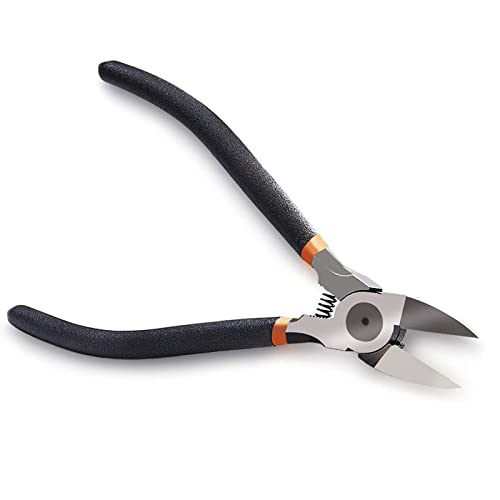
BOENFU Wire Cutter 2 Pack Precision Flush Cutters Side Cutter 5 Inches
Original price was: £6.99.£6.49Current price is: £6.49. *View On Amazon* - Fishing Line Cutters and Scissors
Fishing Tackle 6 Tool Set for Carp and Coarse Fishing Boilie
£7.99 *View On Amazon* - Fishing Line Cutters and Scissors
Westcott Easy Grip Scissors 3 Pieces Black Set of 3 Universal Scissors with Comfort Grip N-90027 00
Original price was: £6.72.£6.05Current price is: £6.05. *View On Amazon* - Fishing Line Cutters and Scissors
NA NA Multifunction Long Nose Fishing Pliers Stainless Steel Fish Hook Pliers with Lanyard for Freshwater and Saltwater
£5.49 *View On Amazon* - Fishing Line Cutters and Scissors
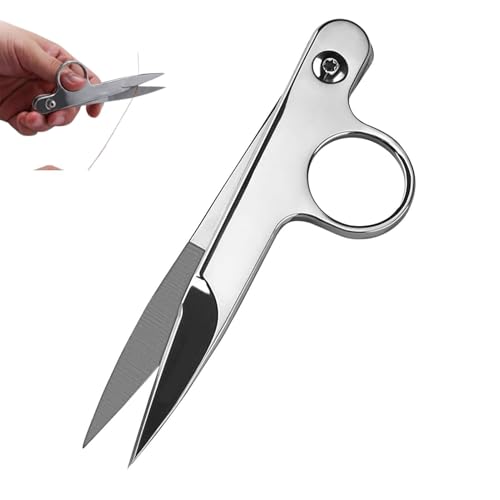
Thread Snips Mini Sewing Scissors Stainless Steel
£14.19 *View On Amazon* - Fishing Line Cutters and Scissors
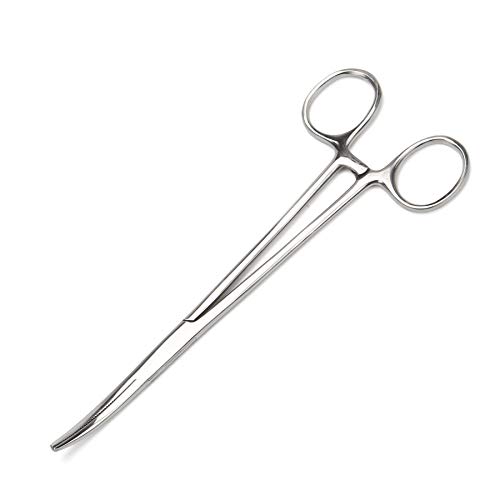
Booms Fishing F04 Fishing Forceps Locking Forceps Clamp Curved Tip Fish Hook Remover
£8.99 *View On Amazon* - Fishing Line Cutters and Scissors
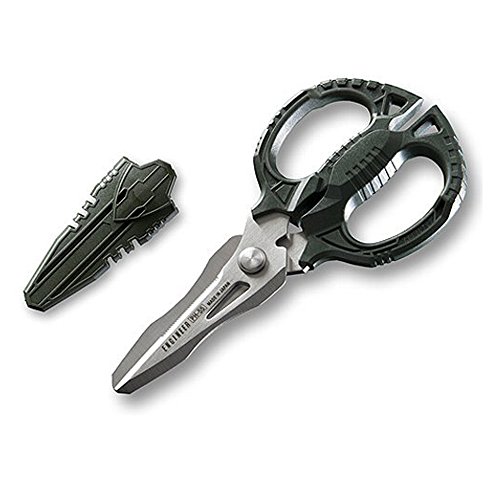
ENGINEER ph-55 Versatile Compact Multi Function Scissors with 4 in 1 Combi Blade
£16.50 *View On Amazon* - Fishing Line Cutters and Scissors
J&D Fishing Pliers Multi Functional Lightweight Stainless Steel Hook Remover Tool with Safety Coiled Lanyard
Original price was: £4.35.£3.48Current price is: £3.48. *View On Amazon* - Fishing Line Cutters and Scissors
BOENFU Precision Wire Cutter 6 Inch Wire Flush Cutters
Original price was: £10.99.£7.49Current price is: £7.49. *View On Amazon* - Fishing Line Cutters and Scissors
JINJIAN Thread Snips, 3PCS Yarn Sewing Scissors U Shaped Cross Stitch Cutter for Embroidery, Fabric Cutting, Fishing, Crafting, Colour Random
£4.99 *View On Amazon* - Fishing Line Cutters and Scissors
Booms Fishing X01 Aluminium Fishing Pliers Saltwater Surf Fishing Tackle Kit with Coiled Lanyard and Sheath, Black
£21.99 *View On Amazon* - Fishing Line Cutters and Scissors
ENGINEER PH 57 Versatile Scissors with Integral Finger Guard
£16.99 *View On Amazon* - Fishing Line Cutters and Scissors
CHB Precision Kevlar Scissors Fibre Optic Cable Cutters Strand Shears Heavy Duty Super Sharp Hand Tool Twisted Pair CAT5 CAT6 Coax Stainless Steel Snips
£10.99 *View On Amazon* - Fishing Line Cutters and Scissors
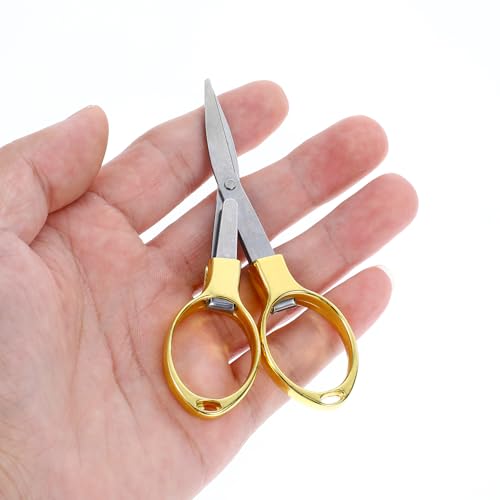
Qianyu 2 Pcs Folding Scissors Safe Portable Keychain Travel Scissors
£2.59 *View On Amazon* - Fishing Line Cutters and Scissors
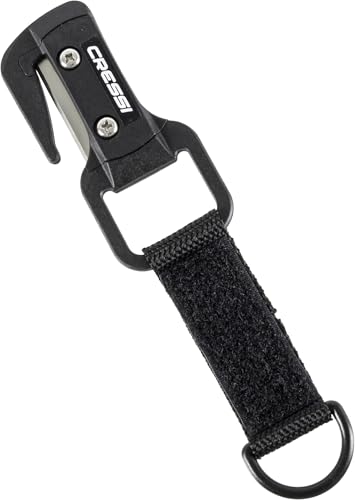
Cressi Clean UP Tool Line Cutter
Original price was: £29.00.£26.65Current price is: £26.65. *View On Amazon* - Fishing Line Cutters and Scissors
Rapala RCD Precision Line Scissors, Black and Red
£14.69 *View On Amazon* - Fishing Line Cutters and Scissors
SPEEDWOX Fishing Split Ring Pliers with Line Cutter
£6.99 *View On Amazon* - Fishing Line Cutters and Scissors
Annyswit 3 Pcs Portable Fishing Pliers Snips Set with Lanyard, Curved Fishing Forceps, Disgorger and Sheath
Original price was: £9.99.£8.99Current price is: £8.99. *View On Amazon* - Fishing Line Cutters and Scissors
Booms Fishing H01 Fishing Pliers Stainless Steel Scissors Multi Functional Tool with Lanyard, Green
£9.99 *View On Amazon* - Fishing Line Cutters and Scissors
Seaknight 6.4 inch Fishing Shears Dual Serrated Blades Black
£11.99 *View On Amazon*







What Are Fishing Line Cutters And Scissors?
Fishing line cutters and scissors are tools designed to cut fishing line and rig materials cleanly. They can include small line snips, fishing scissors, braid scissors, fly fishing nippers, rig scissors, leader cutters and heavier cutting tools depending on the fishing method.
A clean cut matters because rough or crushed line can make knots harder to finish and rigs less tidy. Good cutters help trim tag ends neatly, prepare hooklengths, cut leaders and remove damaged line during a session.
Not every cutter works well on every material. Fine monofilament, fluorocarbon, braid, wire traces and heavy sea fishing leaders can all need different cutting tools.
What Are Fishing Line Cutters And Scissors Used For?
Fishing line cutters and scissors are used for trimming tag ends after knots, cutting hooklengths, preparing leaders, removing damaged line, cutting braid, trimming rig materials and preparing bait or tackle where suitable.
Coarse anglers may use them for fine hooklengths, float rigs and feeder rigs. Carp anglers may use sharper rig scissors for coated braid, hooklinks and baiting setups. Lure anglers may need braid cutters and leader trimming tools.
Sea anglers may need stronger cutters for heavier line, leaders or rig materials. Fly anglers often use compact nippers for tippet, leader and fly changes while standing in or near the water.
How To Choose The Right Fishing Line Cutter Or Scissors
Start with the line you use most often. If you mainly use monofilament, a simple sharp line cutter or scissors may be enough. If you use braided line, choose scissors or cutters designed to cut braid cleanly, as ordinary blunt scissors can fray it.
Next, think about where you fish. A compact cutter on a lanyard may suit fly fishing, lure fishing or mobile sessions. Larger rig scissors may be more useful for carp fishing, feeder fishing or rig preparation at home.
Grip and control matter too. Tools should feel secure in wet, cold or bait covered hands. A cutter that slips or feels awkward can be frustrating and unsafe when working near hooks and sharp rig parts.
Key Features To Compare
When comparing fishing line cutters and scissors, look at blade sharpness, blade type, handle comfort, size, grip, cutting capacity, suitability for braid, corrosion resistance claims where listed, storage cover, locking feature and whether the tool is suitable for freshwater or saltwater use.
Compact cutters are easy to carry and quick to use for tag ends. Larger scissors may give more control when cutting rig materials or longer lengths of line.
If you fish near saltwater, check the product details carefully. Salt can be hard on metal tools, so cleaning and drying after use become especially important.
Line Cutters, Fishing Scissors, Braid Scissors And Nippers
Line cutters are compact tools used for quick trimming and simple line cutting. They are useful for tag ends, hooklengths and general tackle work.
Fishing scissors usually offer longer blades and can be useful for cutting line, rig material, bait packaging and other suitable fishing items. Always use them only for tasks they are designed to handle.
Braid scissors are designed to cut braided line more cleanly. This matters because braid can fray if cut with unsuitable or blunt blades.
Nippers are small cutting tools often used in fly fishing. They are useful for trimming tippet and leader material quickly while keeping the tool close to hand.
Fishing Cutters Compared With General Household Scissors
Household scissors may cut some fishing line, but they are not always ideal for tackle work. Fine line, braid, fluorocarbon and rig materials can quickly show whether scissors are sharp enough.
Fishing cutters are usually more compact and easier to keep in a tackle box, waist pack or rig station. Some are designed specifically for wet hands, small knots, tag ends and rig materials.
The best choice depends on the job. If you regularly tie rigs, cut braid or trim leaders, a fishing specific cutter is usually more practical than relying on old household scissors.
Beginner, Regular Angler And Experienced Angler Guidance
Beginners should start with a simple sharp line cutter or fishing scissors that can trim monofilament and hooklengths neatly. A basic cutter is one of the most useful tools in any starter tackle box.
Regular anglers may want separate tools for different jobs. One compact cutter for quick bank use and one sharper pair of scissors for rig preparation can be a practical setup.
Experienced anglers often choose cutters based on material. They may use braid scissors for braided line, heavy cutters for leaders, nippers for fly fishing and fine scissors for neat rig work.
Cutters For Monofilament, Fluorocarbon And Braid
Monofilament is usually straightforward to cut with sharp line cutters or fishing scissors. A clean cut helps knots look neat and reduces messy tag ends.
Fluorocarbon can be stiffer and thicker depending on the breaking strain. Sharp cutters are useful because crushing or rough cutting can make the line harder to work with.
Braided line needs particular care. It can fray if cut with blunt scissors, so braid suitable scissors or cutters are often useful for lure fishing, feeder fishing and some carp setups.
Cutters For Coarse, Carp, Predator, Sea And Fly Fishing
Coarse anglers often use line cutters for hooklengths, float rigs, feeder links and fine line. Precision and neat trimming matter because small hooks and fine tackle are common.
Carp anglers may cut coated braid, hooklink material, leaders, bait floss and stronger lines. Sharp rig scissors and controlled cutting tools can help keep rigs tidy.
Predator anglers may need cutters for braid, fluorocarbon leaders, traces and lure connections. Wire traces may need specialist cutters depending on the material.
Sea anglers often work with heavier line, snoods, shock leaders and rig bodies. Stronger cutters may be needed for thicker materials and saltwater conditions.
Fly anglers usually prefer compact nippers or small cutters for tippet and leader trimming. They should be easy to access when changing flies.
Clean Cuts, Knots And Rig Presentation
A clean cut makes knot tying easier. If the line end is crushed, split or frayed, it can be harder to pass through hook eyes, swivels, clips or small rig components.
Trimming tag ends neatly helps reduce tangles and makes rigs look more controlled. This is useful in float fishing, feeder fishing, carp rigs, fly fishing and lure leaders.
Do not cut too close to a knot unless you are confident the knot is fully tightened and tested. Leaving a small safe tag can help reduce the risk of slipping, depending on the knot and material.
Cutting Braid And Specialist Rig Materials
Braid can be difficult to cut cleanly with unsuitable scissors. A rough cut can leave fibres frayed, making knots harder to tie and rigs look untidy.
Coated hooklinks, heavy fluorocarbon, leader material and some sea fishing rig materials can also need sharper or stronger tools than light line. Check that the cutter is suitable for the materials you use.
Wire traces and some heavy predator materials may require dedicated wire cutters or crimping tools rather than ordinary scissors. Using the wrong tool can damage the blades and create unsafe cuts.
Safety Around Blades, Hooks And Line
Fishing line cutters and scissors are sharp tools and should be handled carefully. Keep fingers clear of blades and avoid cutting towards your hand or body.
Take extra care when trimming line close to hooks, lures or rigs. Hooks can move suddenly if a knot slips or line is under tension.
Store cutters safely when not in use. Blade covers, closed scissors, tool pouches and tackle boxes help reduce the risk of cuts or damage to other kit.
Responsible Line Disposal
Cut off fishing line should never be left on the bank, beach, boat or in the water. Even small pieces of line can harm birds, fish, mammals, pets and wildlife.
Keep a small waste line container, old spool or tackle pocket for cut ends and damaged line. Take it home and dispose of it responsibly.
Good line management is part of responsible fishing. A sharp cutter helps remove damaged line quickly, but the waste still needs to be kept under control.
Care, Cleaning And Storage
Fishing line cutters and scissors should be kept clean, dry and sharp. Wipe away bait, mud, weed, moisture and salt after use where suitable.
After sea fishing, rinse and dry suitable tools where appropriate, as saltwater can affect metal parts. Check blades, hinges, springs and grips regularly for rust, stiffness or damage.
Store cutters in a tackle box, tool pouch, rig station or lanyard where they are easy to find but safely protected. Avoid leaving them loose with heavy weights or sharp hooks.
Useful Accessories To Consider
Useful accessories for fishing line cutters and scissors include tackle boxes, tool pouches, lanyards, rig wallets, hooklength boxes, leader wallets, pliers, forceps, knot tools, crimping tools, hook sharpeners and spare line.
For fly fishing, tippet holders, fly boxes and nippers can work together. For carp fishing, rig scissors, baiting needles and hooklink materials are useful. For predator and sea fishing, stronger pliers and cutters may also be needed.
The best setup is one where cutting tools are easy to reach, suitable for the line and safe to store.
Why Buy Fishing Line Cutters And Scissors From YPC?
At YPC, we understand active lifestyles and the need for practical products that work in real use. Fishing line cutters and scissors should be chosen carefully because sharpness, grip, line compatibility and safe storage all matter.
Browse the Fishing Line Cutters and Scissors category at YPC to compare available options, check the details that suit your fishing method and choose tools that help make rig tying, line trimming and tackle preparation easier.
Fishing Line Cutters And Scissors FAQs
What are fishing line cutters?
Fishing line cutters are tools used to cut fishing line, trim tag ends, prepare rigs and remove damaged line. They can be small snips, nippers, scissors or stronger cutting tools depending on the fishing method.
They are useful for almost every type of angling.
Are fishing line cutters suitable for beginners?
Yes, fishing line cutters are very useful for beginners. They make it easier to trim knots neatly, cut hooklengths and manage line safely.
A simple sharp cutter or scissors is a practical addition to a starter tackle box.
What are fishing scissors used for?
Fishing scissors are used to cut line, trim rigs, prepare hooklengths and work with tackle materials. Some scissors are designed for general line cutting, while others are intended for braid or rig materials.
Always check the product details to see what they are suitable for.
Are fishing scissors better than normal scissors?
Fishing scissors are often more practical for tackle work because they are designed for line, rig materials and use near water. Normal household scissors may not cut braid or heavier line cleanly.
A fishing specific pair can also be easier to store in a tackle box.
What cutters are best for braided fishing line?
Braid scissors or cutters designed for braided line are usually best. Braid can fray when cut with blunt or unsuitable blades.
A clean braid cut makes knots and lure connections easier to tie.
Can line cutters cut fluorocarbon?
Many line cutters can cut fluorocarbon, but thicker fluorocarbon leaders may need sharper or stronger cutters. A blunt tool can crush or roughen the line.
Check the product details if you use heavy fluorocarbon.
Can line cutters cut monofilament?
Yes, most fishing line cutters and scissors can cut monofilament line. Sharp cutters give a clean cut and make knots easier to finish.
Replace or sharpen tools where suitable if they begin to crush the line instead of cutting it.
Can fishing scissors cut wire trace?
Ordinary fishing scissors may not be suitable for wire trace. Wire can damage blades and may need dedicated wire cutters or pliers.
Always use a tool that matches the material you are cutting.
What are fly fishing nippers?
Fly fishing nippers are small cutters used to trim tippet and leader material. They are usually compact and easy to carry on a lanyard, vest or pack.
They are useful when changing flies or trimming fine line quickly.
Do I need separate scissors for braid and mono?
You do not always need separate scissors, but many anglers prefer braid suitable scissors for braided line and general cutters for mono or fluorocarbon. This helps keep braid cuts clean and protects tools from overuse.
If one tool cuts all your line cleanly, that may be enough.
Why does my braid fray when I cut it?
Braid may fray if the scissors are blunt, unsuitable or not designed for braided fibres. Cutting at a poor angle can also leave a messy end.
Use sharp braid scissors or cutters and trim carefully.
How close should I cut line to a knot?
Do not cut too close unless the knot is fully tightened, tested and suitable for a close trim. Some knots benefit from a small tag end to reduce the chance of slipping.
Check the knot carefully before casting.
Can fishing cutters help with rig tying?
Yes, fishing cutters help make rig tying neater by trimming tag ends, cutting hooklengths and removing damaged sections of line. Clean cuts make rigs easier to build and inspect.
They are especially useful when preparing several rigs in advance.
Are line cutters useful for carp fishing?
Yes, line cutters and rig scissors are useful for carp fishing. They can cut hooklink material, bait floss, leaders and tag ends depending on the product.
Carp anglers often use sharp rig scissors for neat hooklinks and clean rig preparation.
Are line cutters useful for lure fishing?
Yes, lure anglers use cutters for braid, fluorocarbon leaders, snaps and tag ends. A compact sharp cutter can be useful when changing lures or leaders at the water.
For wire traces, use suitable wire cutters where needed.
Are line cutters useful for sea fishing?
Yes, sea anglers often need cutters for heavier lines, snoods, leaders and rig materials. Stronger scissors or cutters may be needed depending on the tackle.
After saltwater sessions, clean and dry suitable tools where appropriate.
How do I look after fishing scissors?
Keep fishing scissors clean, dry and protected. Wipe away bait, mud, salt and moisture after use.
Check blades and hinges regularly. Replace scissors if they become rusty, loose, blunt or unsafe.
How should I store fishing line cutters?
Store line cutters in a tackle box, tool pouch, rig wallet or on a lanyard. Keep blades covered or closed where possible.
Avoid leaving cutters loose with hooks, heavy weights or wet bait.
What accessories are useful with fishing line cutters and scissors?
Useful accessories include tackle boxes, tool pouches, lanyards, knot tools, forceps, pliers, hook sharpeners, rig wallets, leader wallets and spare line.
For braid, suitable braid scissors are useful. For wire, proper wire cutters may be needed.
What should I check before buying fishing line cutters and scissors?
Check the blade type, size, grip, line compatibility, braid cutting suitability, safety features, storage cover, corrosion resistance claims where listed and whether the tool suits your fishing method.
The right cutter should make clean cuts, feel safe to use and match the line materials you use most often.
 Getting ready for Summer? View our Home and Garden Products

Heading outdoors this winter? Take a look at our Outdoor Clothing.