
Camera Microphones
Camera microphones help improve the sound quality of your videos by capturing clearer speech, ambience or directional audio than many built in camera microphones can manage. This category is ideal if you film outdoor content, interviews, vlogs, product videos, events, tutorials, travel footage or social media videos.
The right camera microphone depends on what you are filming, how far you are from the sound source and how your camera records audio. A shotgun microphone can be useful for focused sound in front of the camera, while a wireless or lavalier microphone is often better when someone is speaking directly to camera.
- Camera Microphones
COMICA CVM V30 PRO Video Microphone SuperCardioid Condenser Camera Shotgun Microphone with Low Cut Filter for Canon Nikon Sony Panasonic Camera DSLR iPhone Samsung Huawei Black
Original price was: £59.69.£54.90Current price is: £54.90. *View On Amazon* - Camera Microphones
VOHALO Wireless Lavalier Microphone for iPhone, Android and Camera with Bluetooth for Video Recording and Live Streaming 165ft 50M Working Distance
Original price was: £22.40.£21.00Current price is: £21.00. *View On Amazon* - Camera Microphones
3 in 1 Mini Wireless Lavalier Microphone for iPhone, iOS, Android and Camera
£12.99 *View On Amazon* - Camera Microphones
Zoom M3 MicTrak Stereo Directional Microphone with Integrated 32 Bit Float Audio Recorder Black
Original price was: £169.00.£135.00Current price is: £135.00. *View On Amazon* - Camera Microphones
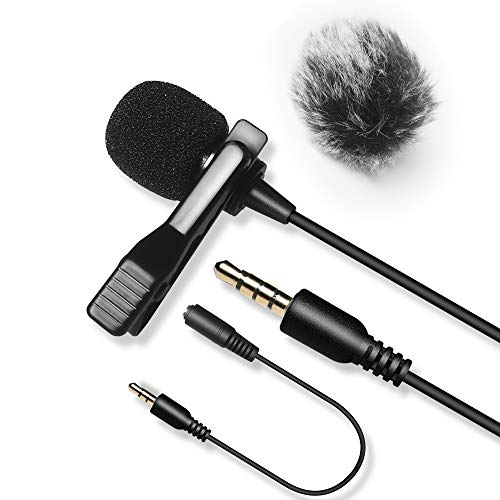
COMICA CVM SM O1 Omnidirectional Lavalier Lapel Microphone with 3.5mm TRS Jack, Clip on Condenser Mic for DSLR Camera, BoomX D, Sennheiser and Other Wireless Transmitters, 3.94ft
Original price was: £19.90.£18.90Current price is: £18.90. *View On Amazon* - Camera Microphones
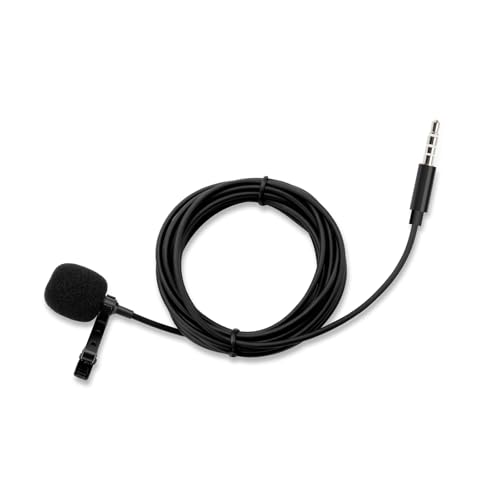
XTRONS Universal Mini 3.5mm Jack 3M Microphone for PC, Mobile, Tablets, Car Head Unit, Camcorders, Cameras, Van and DVD Player Devices, Handsfree
Original price was: £10.58.£9.86Current price is: £9.86. *View On Amazon* - Camera Microphones
FULAIM X6S Wireless Lavalier Microphone for iPhone, Dual Channel Mini Clip On Mic with AI Noise Cancellation, 48kHz 24Bit Audio, Charging and Storage Case for Phone, Camera, Video Recording and Vlogging
Original price was: £59.99.£49.99Current price is: £49.99. *View On Amazon* - Camera Microphones
Dual Handheld Wireless Microphone System with One Touch Mute, Dynamic RGB Lighting, 40H Duration and 200 FT Range
Original price was: £31.99.£27.19Current price is: £27.19. *View On Amazon* - Camera Microphones
BOYA Wireless Lavalier Microphone BOYALINK A1 Mini Lapel Mic TX RX
£37.20 *View On Amazon* - Camera Microphones
SYNCO Wireless Lavalier Microphones and System G1(A2) Pro Dual Pack with Charging Case
Original price was: £25.36.£22.89Current price is: £22.89. *View On Amazon* - Camera Microphones
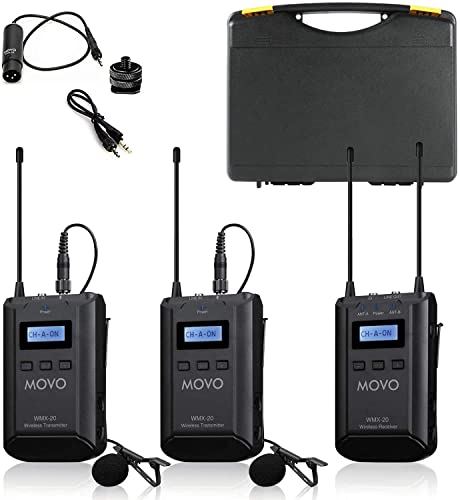
COMICA BoomX D2 Wireless Lavalier Microphone System with 2 Transmitters and 1 Receiver
£49.00 *View On Amazon* - Camera Microphones
Lavalier Microphone Type C with Type A Adapter for Computers and Laptops
£15.99 *View On Amazon* - Camera Microphones
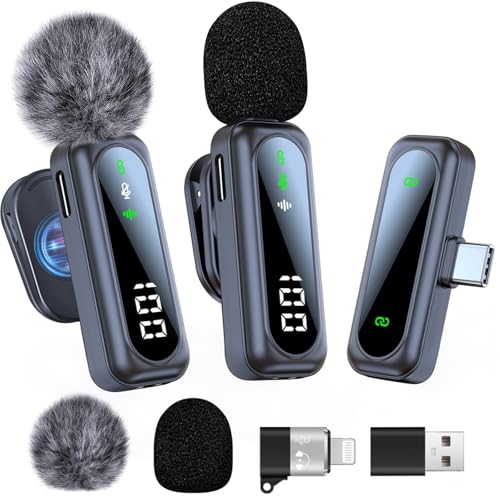
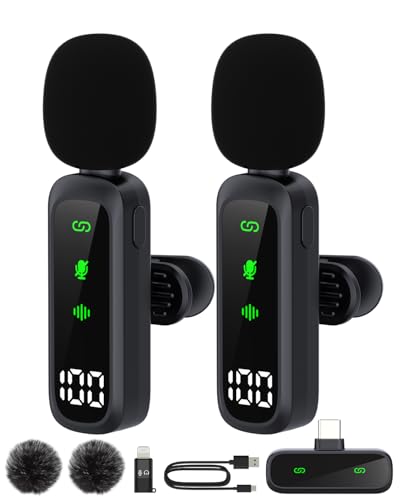
dralud 2 Pack Wireless Lavalier Microphone with Magnetic Clip, USB C Mini Mic for Video Recording, TikTok and YouTube
Original price was: £15.59.£12.99Current price is: £12.99. *View On Amazon* - Camera Microphones
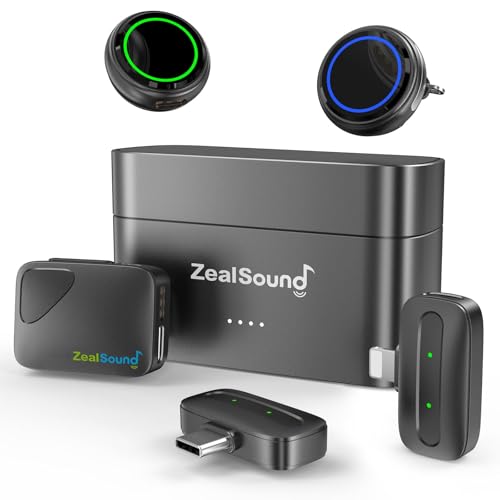
zealsound Wireless Lavalier Microphone for iPhone, Android, Camera and PC, 2 Mics + 3 Receivers, Mini Clip On Lapel Mic with Noise Cancelling, Mute, 40H Battery, 300m Range, Vlog, Interviews, Streaming
Original price was: £65.99.£56.99Current price is: £56.99. *View On Amazon* - Camera Microphones
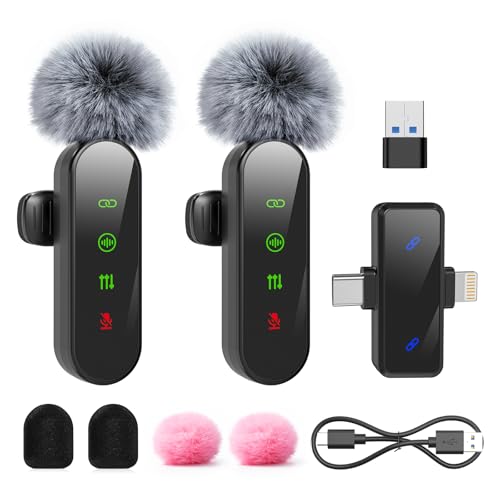
ZealSound M19 Wireless Lavalier Microphone for iPhone, Android, PC and iPad
£22.99 *View On Amazon* - Camera Microphones
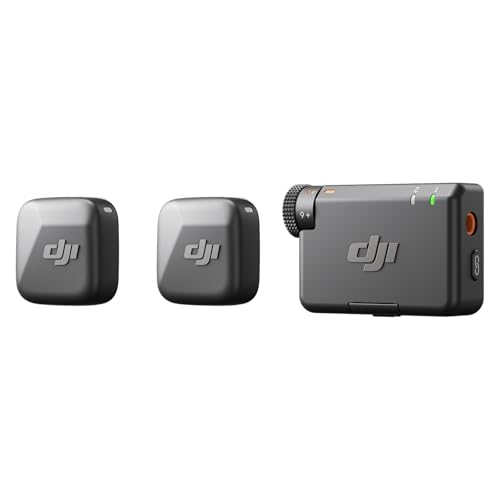
DJI Mic Mini 2 TX 1 RX Wireless Lavalier Microphone for Camera and Android
£65.00 *View On Amazon*








What Is A Camera Microphone Used For?
A camera microphone is used to capture better audio while recording video. It can help make voices clearer, reduce the hollow sound of distant audio and give your footage a more polished, watchable feel.
Camera microphones are used by vloggers, YouTubers, photographers, filmmakers, outdoor creators, reviewers, interviewers and anyone who wants video that sounds as good as it looks. Good audio is especially important when people are speaking, explaining something or recording in a busy outdoor setting.
How To Choose The Right Camera Microphone
Start by checking compatibility with your camera. Look at the audio input, mounting options and whether the microphone needs batteries, plug in power, USB-C, 3.5mm TRS or another connection type. A microphone that sounds good on paper is no use if it does not connect properly to your camera.
Next, think about distance. If the speaker is close to the camera, an on camera shotgun microphone may be enough. If the speaker moves around or stands further away, a wireless microphone or lavalier setup may give clearer voice recording.
Outdoor use also matters. Wind can quickly ruin otherwise good audio, so windshields, dead cats or foam covers can be important for filming outside. Size, weight, battery life, cable length and ease of setup should all influence your choice.
Shotgun, Lavalier Or Wireless Microphone?
A shotgun microphone is usually mounted on or near the camera and points towards the sound you want to record. It is useful for vlogging, run and gun filming, travel videos and general camera mounted audio. The trade off is that sound quality can drop if the speaker is too far away.
A lavalier microphone clips onto clothing and stays close to the speaker’s mouth. This can make speech clearer, especially for interviews, presentations and talking head videos. The trade off is that it needs careful placement to avoid clothing noise.
A wireless microphone gives more freedom of movement because the speaker can move away from the camera while still being recorded clearly. The trade off is that you need to think about battery life, signal reliability, pairing and receiver compatibility.
Key Features To Compare
When comparing camera microphones, look at compatibility, microphone type, connection, pickup pattern, wind protection, battery life, size, weight, monitoring options and whether the microphone suits indoor, outdoor or mixed filming.
Pickup pattern matters because it affects where the microphone listens. Directional microphones focus more on sound from the front. Lavalier microphones usually focus on the person wearing them. Wireless systems may include one or more transmitters, which can be useful for interviews or two person recording.
Monitoring can also be useful. If your camera or microphone setup allows headphone monitoring, you can check sound while filming instead of discovering problems later. This is especially useful for interviews, paid work or important outdoor footage.
Camera Microphone Or Smartphone Microphone?
A camera microphone is usually the better choice if you film with a DSLR, mirrorless camera, camcorder or action camera and want audio to go directly into the video file. It can keep your setup simpler and reduce the need to sync separate audio later.
A smartphone microphone may be better if you mainly record on a phone, make short social videos or need a very portable setup. The important point is connection. Phone microphones and camera microphones may use different plugs or adapters, so check carefully before buying.
If you record on both a camera and a phone, look for a setup that clearly supports both devices rather than assuming it will work with everything.
Beginner, Creator Or Interview Setup?
Beginners should look for a simple microphone that is compatible with their camera, easy to mount and quick to use. A straightforward on camera microphone is often a good starting point for improving video sound.
Creators may want wireless audio, better wind protection, compact size and a setup that works well for both indoor and outdoor content. Interviewers may need two microphones, dual channel recording or a wireless kit that can capture more than one speaker.
The best camera microphone is not always the most expensive one. It is the microphone that fits your camera, suits your filming style and captures the sound you actually need.
Why Buy Camera Microphones From YPC?
At YPC, we have used a lot of outdoor equipment ourselves in real activity settings, so we understand why practical accessories matter. Camera microphones need to be easy to set up, reliable in use and suited to the conditions where you actually film.
Browse the Camera Microphones range, compare the options and choose the microphone that fits your camera, your content and your recording setup.
Camera Microphones FAQs
What does a camera microphone do?
A camera microphone captures audio while you record video. It can help improve speech clarity, reduce distant sounding audio and make videos feel more professional and easier to watch.
Is an external microphone better than a built in camera microphone?
An external microphone is often better when you need clearer speech, better directionality or improved outdoor audio. Built in camera microphones can be useful for casual clips, but they are often limited by distance, wind and camera handling noise.
What type of camera microphone should I buy?
Choose based on what you film. A shotgun microphone is useful for camera mounted recording, a lavalier microphone is good for speech, and a wireless microphone is useful when the speaker moves away from the camera.
Will any microphone work with my camera?
No. You need to check your camera’s audio input, connection type, mounting options and power requirements. Some microphones use 3.5mm TRS, USB-C or other connections, so compatibility matters.
What is a shotgun microphone good for?
A shotgun microphone is good for focused sound from in front of the camera. It is useful for vlogging, travel videos, outdoor filming and general video work where the speaker or subject is fairly close.
What is a lavalier microphone good for?
A lavalier microphone clips to clothing and records close to the speaker’s mouth. It is useful for interviews, presentations, tutorials, talking head videos and situations where clear speech is the priority.
Are wireless camera microphones worth it?
Wireless camera microphones can be worth it if the speaker moves around, stands away from the camera or needs freedom of movement. Check battery life, connection type, range and receiver compatibility before buying.
Do I need wind protection for outdoor filming?
Yes, wind protection is very useful outdoors. A foam cover, windshield or furry wind cover can help reduce wind noise and make speech easier to hear.
Can I use a camera microphone with a smartphone?
Some microphones can work with smartphones, but not all do. Check the connection type and whether an adapter is needed, because camera and phone audio inputs may differ.
Camera Microphones Buyers Guide
An overview of how different microphone types, pickup patterns, and mounting options affect audio capture for video content.
 Getting ready for Summer? View our Home and Garden Products

Heading outdoors this winter? Take a look at our Outdoor Clothing.